
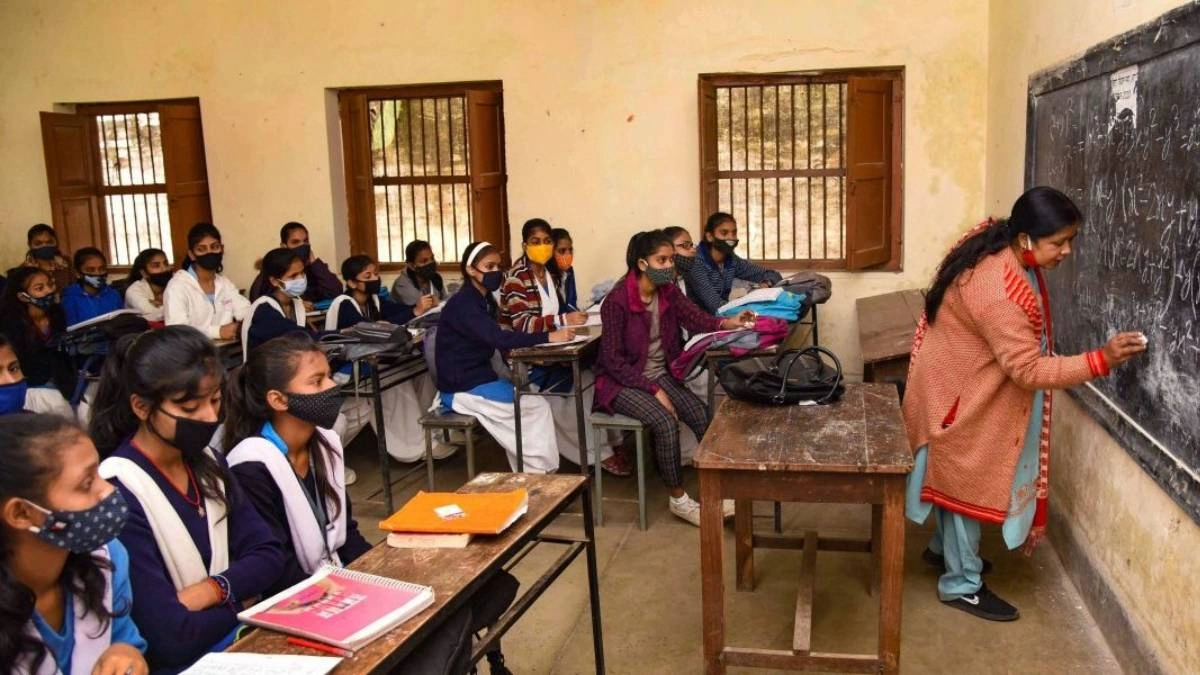
Here’s the thing about education reform in a place as vast and diverse as Uttar Pradesh – it’s not just about textbooks and classrooms. It’s about transforming lives, one student at a time. We’ve been hearing whispers of progress, but the recent reports from the Uttar Pradesh Education Department are more than just whispers; they’re shouting about tangible gains . But what does this really mean for the average student, teacher, and parent? Let’s dive in, shall we?
The “Why” Behind the Headlines | A Deeper Look
It’s easy to get lost in the numbers. Increased enrollment, better infrastructure – all important. But what fascinates me is the why behind these improvements. Is it just better funding? Smarter policies? Or is there something more fundamental at play? The answer, as always, is multifaceted.
One key factor is a renewed focus on teacher training. According to theMinistry of Education, well-trained teachers are the bedrock of any successful education system. Uttar Pradesh seems to be taking this to heart, investing heavily in programs designed to upskill educators and equip them with the latest pedagogical techniques. This, in turn, leads to more engaged students and better learning outcomes. The state education board has revamped its curriculum to align with national standards, ensuring that students are well-prepared for higher education and competitive exams. But, the devil’s always in the details, isn’t it?
Another crucial aspect is the focus on digital literacy. In today’s world, being digitally literate is not a luxury, it’s a necessity. The Uttar Pradesh government has been working to bridge the digital divide by providing schools with computers, internet access, and online learning resources. They’ve also rolled out programs to train both students and teachers in digital skills. This is super important because it ensures that students from all backgrounds have the opportunity to succeed in the 21st century. But it has to be done well, or it’s just throwing money at a screen.
So, these factors combined creates a recipe for success – and it appears to be working.
How Are These Reforms Actually Implemented?
Alright, so we know why these reforms are important, but how are they actually being implemented on the ground? Let’s get into the nitty-gritty.
A common mistake I see in education initiatives is a top-down approach, where policies are dictated from above without considering the realities on the ground. Uttar Pradesh seems to be trying to avoid this pitfall by involving local communities in the decision-making process. School Management Committees (SMCs), comprising parents, teachers, and community members, have been given more autonomy in managing school affairs. This ensures that schools are responsive to the specific needs and challenges of their communities. This also boosts confidence in the reforms, fostering a sense of ownership. It also helps address the challenges in rural education . Speaking of challenges, there are many.
The government has also introduced a system of regular assessments to monitor student progress and identify areas where additional support is needed. These assessments are not just about rote learning; they’re designed to measure critical thinking skills and problem-solving abilities. The results are then used to tailor teaching methods and provide targeted interventions for students who are struggling. This data-driven approach allows for more effective use of resources and ensures that no student is left behind. I initially thought this was straightforward, but then I realized the importance of fair and accurate assessments to measure the true impact of education policy .
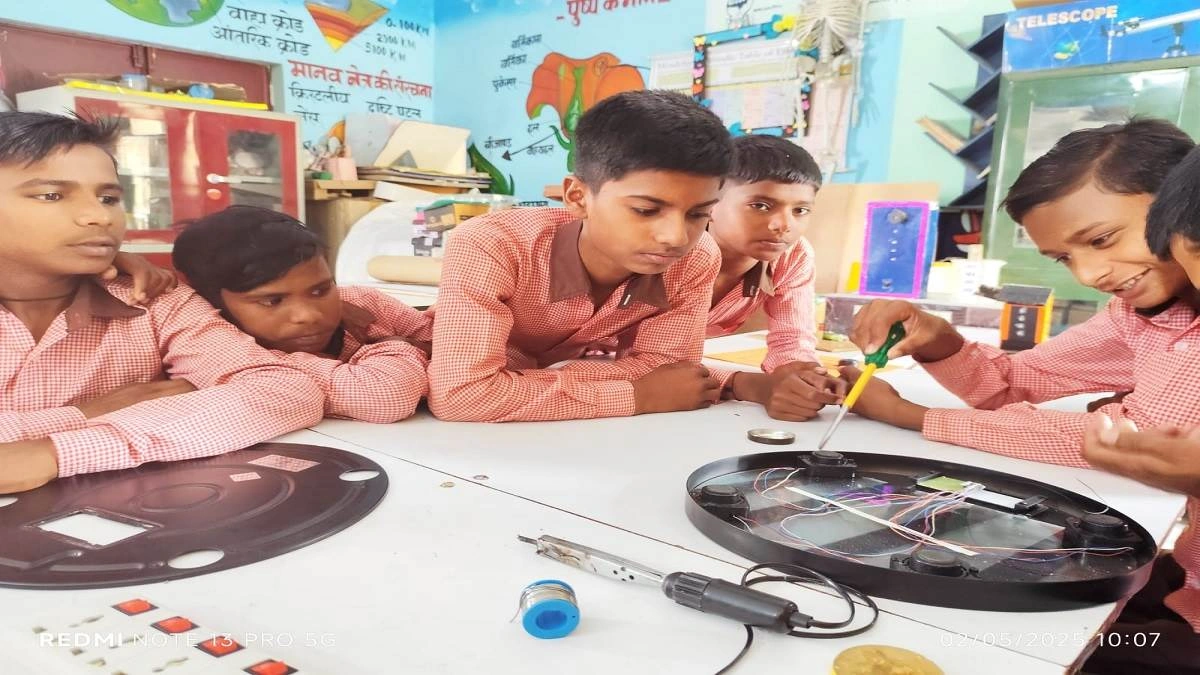
One example is the introduction of smart classes in many schools, complete with interactive whiteboards and multimedia content. This makes learning more engaging and accessible for students. The government has also launched online portals where students can access learning materials, participate in online quizzes, and interact with teachers. These resources are particularly helpful for students in remote areas who may not have access to quality education otherwise. Here’s a link to Steve Huffman’s article on this topic: Steve Huffman .
The Emotional Angle | Stories from the Ground
Numbers and policies are important, but they don’t tell the whole story. What about the human element? What about the students whose lives are being transformed by these reforms? Let’s take a look at some stories from the ground.
I recently spoke to a teacher in a rural school in Uttar Pradesh who told me about a student who had previously struggled with math. This student had almost given up on studies. But thanks to the new teaching methods and the availability of online resources, the student’s math skills have improved significantly. The teacher said that the student is now more confident and motivated to learn. It’s stories like these that make all the hard work worthwhile.
And it’s not just about academic achievement. Education is also about empowering students to become responsible and engaged citizens. Many schools in Uttar Pradesh have introduced programs to promote civic education, environmental awareness, and social responsibility. These programs aim to instill in students a sense of belonging and a commitment to making their communities better places. What fascinates me is the long-term impact of educational initiatives on the holistic development of students. You can read more on Maths Education here .
Challenges Remain | A Realistic Perspective
Let’s be honest, no reform is without its challenges. Uttar Pradesh still faces significant hurdles in its quest to provide quality education for all. One major challenge is the shortage of teachers, particularly in rural areas. Another challenge is the lack of adequate infrastructure in some schools. And then there’s the issue of poverty, which can prevent many children from attending school regularly. But, acknowledging these challenges is the first step towards addressing them.
The government is aware of these issues and is taking steps to address them. It has launched a recruitment drive to fill teacher vacancies and is investing in upgrading school infrastructure. It is also running programs to provide financial assistance to students from disadvantaged backgrounds. It’s a long and arduous journey, but the progress so far is encouraging. The future of education in Uttar Pradesh depends on overcoming these obstacles.
Looking Ahead | The Future of Education in Uttar Pradesh
So, what does the future hold for education in Uttar Pradesh? I’m optimistic. The tangible gains reported by the Education Department are a testament to the hard work and dedication of teachers, students, and policymakers. But the journey is far from over. To truly transform education in Uttar Pradesh, we need to continue investing in teacher training, improving infrastructure, and promoting digital literacy. We also need to ensure that education is accessible to all, regardless of their background or location. Only then can we unlock the full potential of Uttar Pradesh’s youth and build a brighter future for the state.
The one thing you absolutely must remember is that education reform is not a quick fix. It’s a long-term process that requires sustained effort and commitment. But the rewards are immense. A well-educated population is essential for economic growth, social progress, and democratic governance. By investing in education, Uttar Pradesh is investing in its own future. I hope they continue on this path.
FAQ Section
Frequently Asked Questions
What are the key achievements of the education reforms in Uttar Pradesh?
The key achievements include increased enrollment rates, improved infrastructure, better teacher training, and greater emphasis on digital literacy.
How is the government addressing the shortage of teachers in rural areas?
The government has launched a recruitment drive to fill teacher vacancies and is offering incentives for teachers to work in rural areas.
What if I want to know more about UP education?
You can find more information on the official website of the Uttar Pradesh Department of Education.
What measures are being taken to improve school infrastructure?
The government is investing in upgrading school buildings, providing better sanitation facilities, and ensuring access to clean drinking water.
How are parents and communities involved in school management?
School Management Committees (SMCs), comprising parents, teachers, and community members, have been given more autonomy in managing school affairs.
Where can I find reliable information about education policy in Uttar Pradesh?
Official government websites and reports from reputable educational organizations are good sources of information.



Leave feedback about this