

Alright, let’s talk about something that’s been quietly simmering in the Indian education landscape: regional language education . I mean, we all know India is a melting pot of languages, but how much of that actually makes it into the classroom? Here’s the thing: the central government recently revealed some interesting stats. Around 16% of Kendriya Vidyalayas (KVs) are offering regional languages as part of their curriculum. But here’s where it gets interesting – it’s compulsory in Navodaya Vidyalayas for classes VI to IX. What’s the big deal? Let’s dive deeper.
Why This Matters | More Than Just Languages
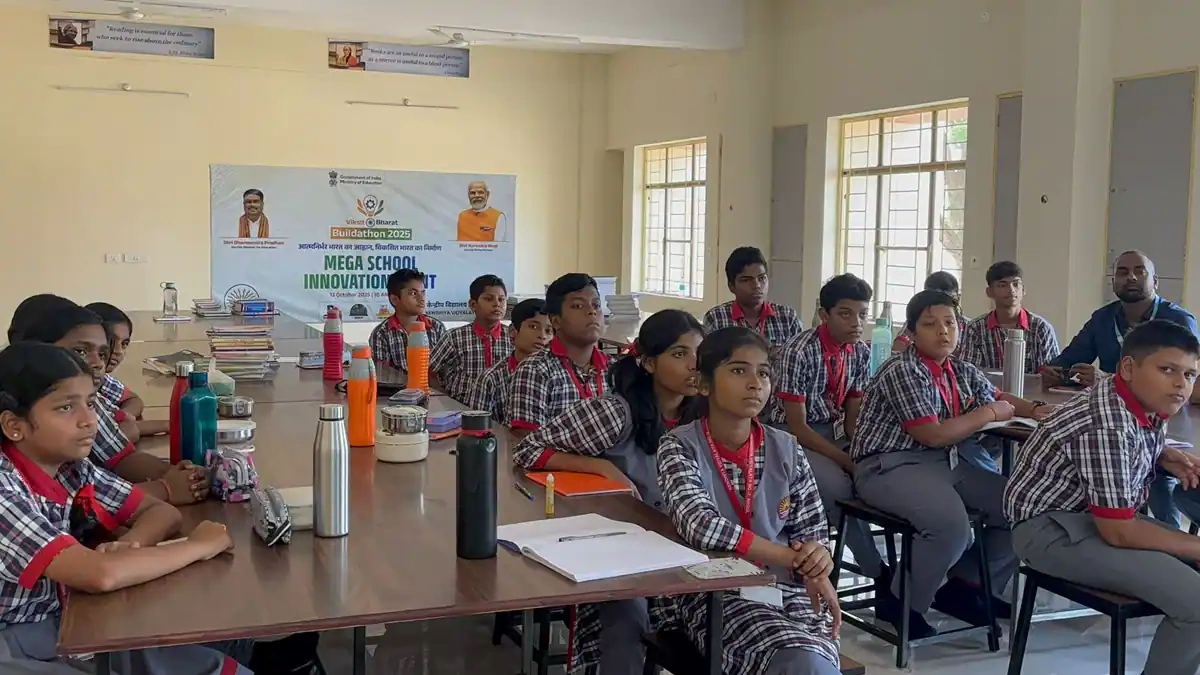
So, why should you even care? It’s not just about ticking a box on a curriculum checklist. This is about preserving culture, improving learning outcomes, and yes, even boosting job prospects. Think about it. A child learning in their mother tongue or a language closely tied to their cultural roots tends to grasp concepts faster. There’s a sense of familiarity, a connection that makes learning less daunting. And let’s be honest – that’s a huge advantage, especially in the early years. This initiative towards promoting regional language isn’t just about education. It’s about cultural identity.
But – and this is a big ‘but’ – implementation is key. It’s one thing to say that regional languages are offered, and another to ensure that there are qualified teachers, adequate resources, and a curriculum that actually engages students. This requires investment and support from the government, as well as a shift in mindset among parents and educators.
The Navodaya Model | A Closer Look
What fascinates me is the Navodaya Vidyalaya model. Making regional language education compulsory from Classes VI to IX sends a strong message. It says, “We value your cultural heritage, and we believe it’s an integral part of your education.” These schools are often located in rural areas, where exposure to diverse languages might be limited. By introducing regional languages , they’re not just teaching grammar and vocabulary – they’re opening up a world of literature, history, and traditions. This helps to build a stronger connection between students and their communities. The commitment to this type of mother tongue education in Navodaya schools is something to be noted.
Now, let me rephrase that for clarity: It’s not just about keeping traditions alive. There’s solid pedagogical reasoning behind it. Early childhood education specialists widely agree that learning in a language one understands deeply builds a stronger foundation for all future learning. It enhances cognitive development and makes grasping abstract concepts easier. This foundation is critical . It is necessary for a more complex educational future. What’s the point of rushing a child into English or Hindi if they’re struggling to understand basic concepts in any language?
Challenges and Opportunities | The Road Ahead
Let’s be real – there are challenges. Finding qualified teachers who are fluent in both the regional language and the subject matter can be tough. Creating engaging learning materials that go beyond textbooks requires creativity and resources. And then there’s the question of standardization – how do you ensure that the quality of regional language education is consistent across different schools and regions? These are systemic concerns that will need to be addressed in the long term. But as per the Ministry of Education, work is being done to provide adequate support.
But the opportunities are immense. Imagine a generation of students who are not only fluent in English and Hindi but also deeply rooted in their regional languages and cultures. They’d be better equipped to understand diverse perspectives, communicate effectively with a wider range of people, and contribute to a more inclusive society. Plus, let’s not forget the economic benefits. As local language education becomes more accessible, it will help develop a more inclusive culture.
The Broader Context | NEP and Language Policy
This push for regional language education is happening within the larger context of the National Education Policy (NEP) 2020. The NEP emphasizes the importance of mother tongue and local language education , especially in the early years. It advocates for a three-language formula, where students learn Hindi, English, and a regional language . The aim is to promote multilingualism and cultural understanding. This is important because it can result in better educational opportunities.
I initially thought this was a straightforward policy decision, but then I realized it’s a subtle but powerful shift in how we view education in India. It’s a move away from a one-size-fits-all approach towards a more localized and culturally sensitive model. However, as with any major policy change, the devil is in the details. How will this be implemented? What resources will be allocated? How will teachers be trained? And most importantly, how will we ensure that all students, regardless of their background, have access to quality regional language education ? We have to remember that language diversity is a major part of India’s identity.
Looking Ahead | What’s Next?
So, what can we expect in the future? I predict that we’ll see more schools incorporating regional languages into their curriculum, especially in the early grades. There will be a greater emphasis on developing high-quality learning materials in vernacular languages , including textbooks, digital resources, and teacher training programs. We might even see the emergence of new career paths for people who are fluent in multiple languages. In the world of the Indian education system there are many new innovations to keep up with.
And here’s the kicker: this isn’t just about preserving tradition. It’s about empowering the next generation with the skills and knowledge they need to succeed in a rapidly changing world. A world where cultural understanding, communication, and adaptability are more important than ever. In an ever-changing educational environment, supporting these goals can provide a well-rounded educational experience. We want students to be secure in their knowledge.
FAQ Section
Frequently Asked Questions
Why is regional language education important?
It preserves culture, improves learning, and can boost job prospects.
Which schools are implementing this?
16% of KVs and all Navodaya schools (Classes VI-IX) currently.
What does the National Education Policy say?
It emphasizes mother tongue/ local language education , especially early on.
What are the challenges?
Finding qualified teachers and creating quality resources can be tough.
Will this create new job opportunities?
Potentially, yes, for multilingual individuals.
How does this help with cultural identity?
By connecting students to their linguistic and cultural heritage.


Leave feedback about this