
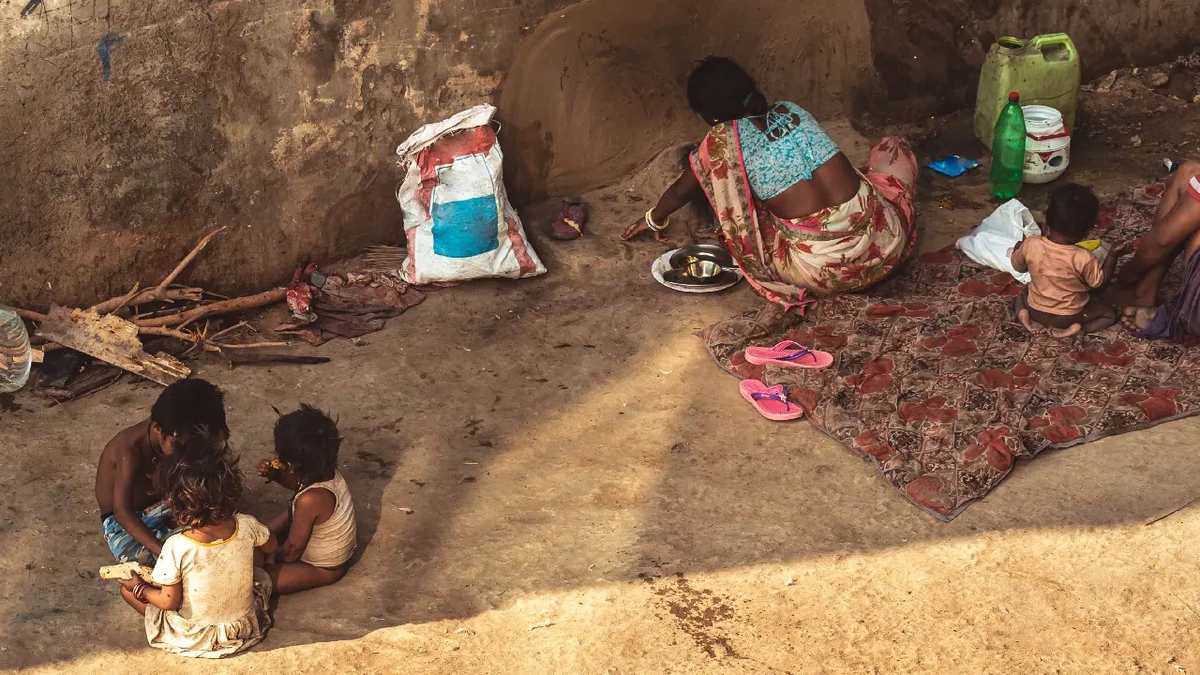
Here’s the thing: we often talk about poverty in terms of income, of how much money a family has. But what if poverty went deeper than that? What if it wasn’t just about the lack of funds, but also the lack of access to opportunities that could change a person’s life? That’s where the concept of opportunity poverty comes in, and it’s a problem one young Indian founder is tackling head-on.
Anakh Sawhney, a teenager (yes, you read that right, a teenager), is the driving force behind a unique initiative that combines nutrition and education to combat opportunity poverty . It’s not just another feel-good story; it’s a practical, sustainable model that’s showing real promise. What fascinates me is how Anakh identified this gap – the intersection of nutrition and education – and created a solution.
The ‘Why’ | Why Opportunity Poverty Matters in India
So, why is opportunity poverty such a critical issue, especially in the Indian context? Let’s be honest, India faces a unique set of challenges. While the country has made significant strides in economic growth, these benefits haven’t always trickled down to everyone. Many children grow up in environments where they lack access to quality education, nutritious food, and even basic healthcare. This creates a vicious cycle: poor nutrition hinders cognitive development, leading to poor academic performance, limiting future opportunities, and perpetuating poverty.
And it’s not just about the individual. When large segments of the population are deprived of opportunities, it impacts the entire nation. A country cannot reach its full potential if a significant portion of its citizens are held back by circumstances beyond their control. Addressing childhood nutrition and providing quality education are not just acts of charity, but strategic investments in India’s future.
This is what makes Anakh’s work so important. He’s not just giving handouts; he’s building a system that empowers individuals to break free from the cycle of poverty.
Anakh’s Nutrition-Education Model | A Closer Look
Now, let’s dive into how Anakh’s model actually works. It’s not enough to just identify a problem; you need a practical, effective solution. Anakh’s approach combines two key elements: providing nutritious meals to underprivileged children and offering them access to quality educational resources.
The model typically involves partnerships with local schools and community centers. These partnerships allow Anakh’s team to reach children who are most in need. The nutritional component focuses on providing balanced meals that are rich in essential nutrients. These meals are often prepared using locally sourced ingredients, supporting local farmers and reducing transportation costs. This holistic approach enhances cognitive functions by combating nutrient deficiencies .
But it’s not just about feeding the children; it’s also about educating them. The educational component of the model includes tutoring programs, access to learning materials, and even workshops on important life skills. By combining nutrition and education, Anakh’s model aims to address both the immediate needs and the long-term development of these children. The blend of academic learning and life-skills enhances overall development, preparing children to navigate complex life challenges.
The impact of the model is far-reaching. Children who receive nutritious meals and quality education are more likely to stay in school, perform better academically, and ultimately secure better job opportunities. This breaks the cycle of poverty and empowers them to create a brighter future for themselves and their families. You can read more about approaches to improve primary education at primary education growth .
Real-World Impact and Success Stories
Of course, the real test of any initiative is its impact on the ground. What’s truly inspiring about Anakh’s work are the tangible results he’s achieving. There are countless stories of children who were once struggling in school and suffering from malnutrition, but who are now thriving thanks to his program.
I initially thought this was just about the food, but then I realized it was about something deeper: hope. These children are not just getting a meal; they are getting a chance to dream, to aspire, and to believe in a better future. The increased engagement in school, coupled with improved health, is a testament to the program’s efficacy in changing children’s lives. This model exemplifies how grassroots initiatives can effectively combat poverty alleviation .
One example is a young girl named Priya (name changed for privacy), who comes from a low-income family and had been struggling with anemia. After enrolling in Anakh’s program, Priya started receiving regular nutritious meals and tutoring support. Her health improved significantly, and her grades soared. She’s now one of the top students in her class and dreams of becoming a doctor.
The Challenges and the Road Ahead
Let’s be honest, no initiative is without its challenges. Scaling up a model like Anakh’s requires significant resources, including funding, manpower, and infrastructure. Maintaining consistency in the quality of meals and educational programs is also crucial. And then there’s the challenge of reaching remote and underserved communities.
Child poverty solutions require innovative approaches and sustained commitment. Anakh and his team are constantly working to overcome these challenges, exploring new partnerships, leveraging technology, and refining their model based on feedback from the ground. The aim is to expand the reach of the program and make it even more impactful.
What I find truly remarkable is Anakh’s unwavering dedication and his ability to inspire others to join his cause. He’s not just a founder; he’s a leader who is galvanizing a movement. His entrepreneurial spirit and his commitment to social impact make him a true role model for young people everywhere. One key aspect is providing equitable access to opportunities, ensuring no child is left behind.
How You Can Get Involved in Combating Opportunity Poverty
So, how can you contribute to the fight against opportunity poverty ? There are many ways to get involved, whether you’re a student, a professional, or simply someone who cares about making a difference. One way is to support organizations like Anakh’s that are working on the front lines. You can donate to their programs, volunteer your time, or even help raise awareness about their work.
Another way to get involved is to advocate for policies that promote equitable access to education and nutrition. This could involve writing to your elected officials, participating in peaceful protests, or simply starting conversations with your friends and family. And don’t underestimate the power of small acts of kindness. Something as simple as sponsoring a child’s education or donating books to a local library can make a big difference in their lives. You can enhance your learning experience by enrolling in online higher education programs, as described at online higher education .
Ultimately, combating opportunity poverty requires a collective effort. It’s about creating a society where everyone has a fair chance to succeed, regardless of their background or circumstances. And it starts with each of us doing our part to make a difference. By fostering a culture of giving and empowerment, we can collectively address the root causes of economic disparity.
FAQ About Opportunity Poverty and How to Address It
What exactly is opportunity poverty?
It’s not just about lacking income. It’s about lacking access to the resources and opportunities needed to improve one’s life, like quality education, nutrition, and healthcare.
How does nutrition impact a child’s opportunities?
Malnutrition can hinder cognitive development and academic performance, limiting future opportunities. Proper nutrition is crucial for a child’s overall well-being and potential.
What role does education play in combating opportunity poverty?
Quality education provides children with the skills and knowledge they need to succeed in life. It opens doors to better job opportunities and empowers them to break the cycle of poverty.
How can I support initiatives like Anakh’s?
You can donate to their programs, volunteer your time, or help raise awareness about their work. Every little bit helps make a difference.
What can I do on a personal level to help?
You can advocate for policies that promote equitable access to education and nutrition, or sponsor a child’s education. Even small acts of kindness can have a big impact. Consider supporting initiatives that provide access to educational resources to underprivileged children.
What are some long-term solutions to tackle opportunity poverty?
Focus on sustainable development, creating equitable access to resources, and fostering a culture of empowerment. Collective efforts and policy changes can create lasting impact.
What I take away from Anakh’s story is this: it’s not enough to just talk about problems. We need to find innovative, practical solutions that address the root causes of inequality . And sometimes, the best solutions come from the most unexpected places – like a teenager with a passion for making a difference.


Leave feedback about this