

So, the World Bank is stepping up its game in India, and not just throwing money around. They’re strategically investing in two critical sectors: agriculture in Maharashtra and education in Punjab. But here’s the thing – why these two states? And what kind of impact are we really talking about? Let’s dive deeper than the headlines, shall we?
Why Maharashtra Agriculture? A Closer Look
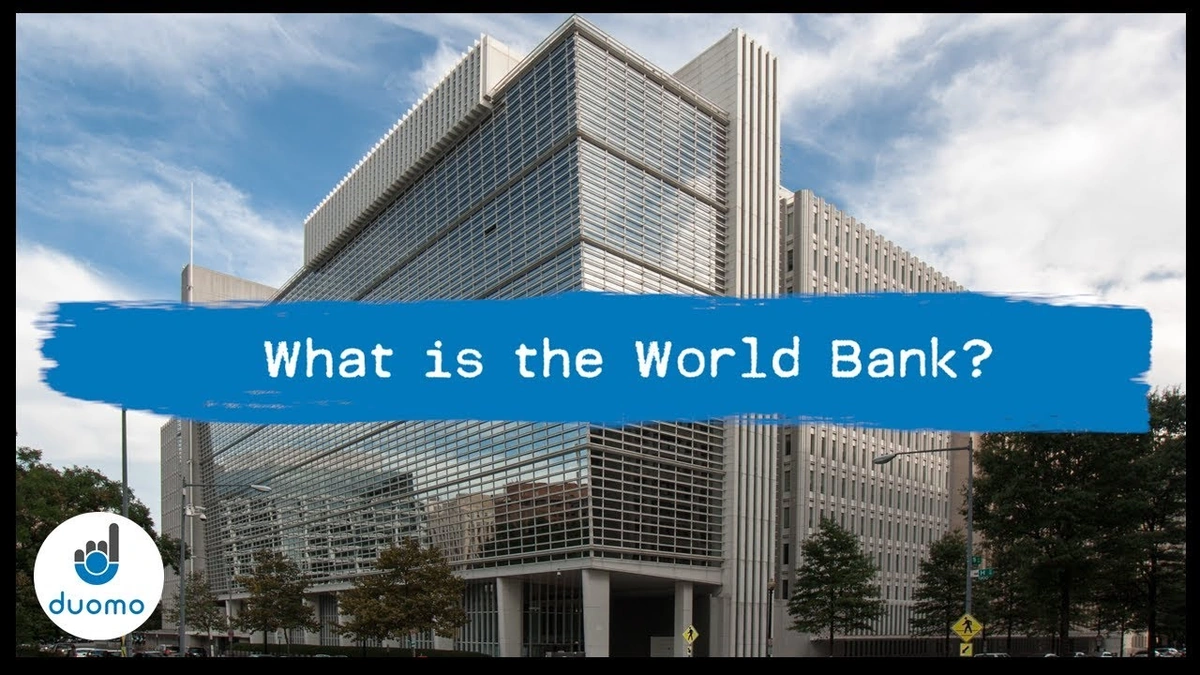
Maharashtra’s agricultural scene is a mixed bag. On one hand, it’s a major producer of everything from cotton to mangoes. On the other, it’s plagued by water scarcity, climate change vulnerability, and farmer distress. A common mistake I see is viewing agriculture in isolation. It’s not just about growing crops; it’s about livelihoods, food security, and rural development. The World Bank isn’t blind to this. This funding likely targets sustainable farming practices, irrigation improvements, and perhaps even supply chain enhancements. Think drip irrigation, drought-resistant crops, and better market access for farmers. It’s not just about more food; it’s about more resilient farmers.
The “why” here extends beyond just fixing problems. It’s about creating a model. If Maharashtra can demonstrate success in sustainable agriculture with World Bank support, it could become a blueprint for other states facing similar challenges. And that’s a big deal. Public policy needs successful models.
Punjab Education | More Than Just Textbooks
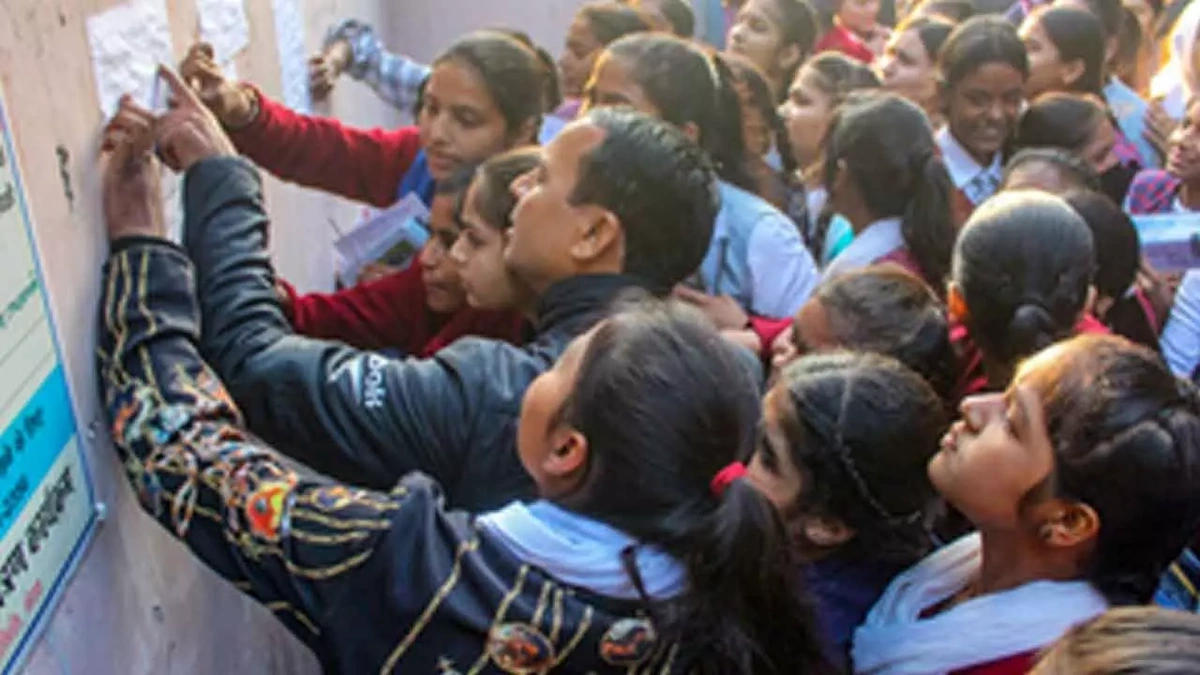
Now, let’s switch gears to Punjab. When you think of Punjab, education might not be the first thing that springs to mind – agriculture probably does. But Punjab, like many other states, faces its own set of educational challenges. From teacher shortages to outdated curricula, there’s plenty of room for improvement. What fascinates me is the focus on quality education, particularly in rural areas. I initially thought this was straightforward, but then I realized the depth. World Bank funding here is likely aimed at teacher training, infrastructure upgrades (think better classrooms and internet access), and curriculum reforms. The goal? To bridge the urban-rural education gap and equip students with the skills they need to thrive in the 21st century.
But it’s more than just throwing money at schools. It’s about creating a holistic learning environment. It’s about fostering critical thinking, creativity, and problem-solving skills. And let’s be honest, that requires a fundamental shift in how we approach education. As per the guidelines mentioned in the information bulletin, the educational initiatives have the potential to create a new generation of forward thinkers and innovators.
The World Bank’s India Strategy | A Broader Perspective
Okay, so why is the World Bank so interested in India anyway? Well, India is one of the world’s largest and fastest-growing economies. It’s also home to a significant portion of the world’s poor. Investing in India isn’t just about helping India; it’s about contributing to global development and stability. The World Bank sees India as a key player in achieving its broader mission of poverty reduction and shared prosperity. Furthermore, this commitment underscores a strategic alignment with India’s developmental goals, fostering innovation and sustainability across key sectors. Let me rephrase that for clarity; it’s a win-win situation, with potential for exponential growth.
And here’s something else to consider. The World Bank often acts as a catalyst. Its funding can attract other investors, both domestic and international. It can also incentivize policy reforms and institutional strengthening. So, the impact of these investments could be far greater than the initial dollar amount suggests. According to the latest circular on the official World Bank website, (worldbank.org) they are looking for long term impacts and partnerships.
Potential Challenges and the Road Ahead
Of course, no development project is without its challenges. Implementation delays, bureaucratic hurdles, and corruption risks are all potential pitfalls. It’s crucial to have strong monitoring and evaluation mechanisms in place to ensure that the funds are used effectively and that the intended beneficiaries actually benefit. A common mistake I see people make is underestimating the importance of community involvement. These projects need to be designed and implemented in close consultation with local communities to ensure that they are culturally appropriate and sustainable. International partnerships and collaborations are often essential to drive widespread changes and improvements.
But, with careful planning, strong execution, and a commitment to transparency and accountability, these World Bank -funded initiatives have the potential to transform lives and livelihoods in Maharashtra and Punjab. They could serve as models for other states and countries facing similar challenges. And that, my friends, is something worth getting excited about.
Looking Beyond the Immediate Impact
The long-term success hinges on several factors: the sustainability of the implemented solutions, the scalability of successful models, and the continued commitment of both the World Bank and the Indian government. But beyond the numbers and the technical jargon, it’s about empowering people. It’s about giving farmers the tools they need to thrive in a changing climate. It’s about giving students the education they need to succeed in a globalized world. It’s about fostering a more equitable and prosperous society for all. To enhance semantic richness, it’s essential to consider related terms like agricultural development and educational reforms , which are crucial components of this initiative.
FAQ Section
Frequently Asked Questions
What exactly will the World Bank funding be used for in Maharashtra agriculture?
The funding will likely target sustainable farming practices, irrigation improvements, and supply chain enhancements. Think drip irrigation, drought-resistant crops, and better market access for farmers.
How will the Punjab education sector benefit from this initiative?
The funding is probably aimed at teacher training, infrastructure upgrades (better classrooms and internet access), and curriculum reforms, bridging the urban-rural education gap.
What are the potential challenges in implementing these projects?
Implementation delays, bureaucratic hurdles, and corruption risks are potential pitfalls. Strong monitoring and evaluation are crucial.
Is the World Bank working with other states in India?
Yes, the World Bank supports various projects across multiple states in India, focusing on different sectors based on the specific needs and priorities of each state.
How can local communities get involved in these projects?
Community involvement is crucial. Projects should be designed and implemented in close consultation with local communities to ensure they are culturally appropriate and sustainable.
So, there you have it. The World Bank ‘s investments in Maharashtra and Punjab aren’t just about money; they’re about building a more resilient and equitable future for India. And that’s a story worth following.


Leave feedback about this