
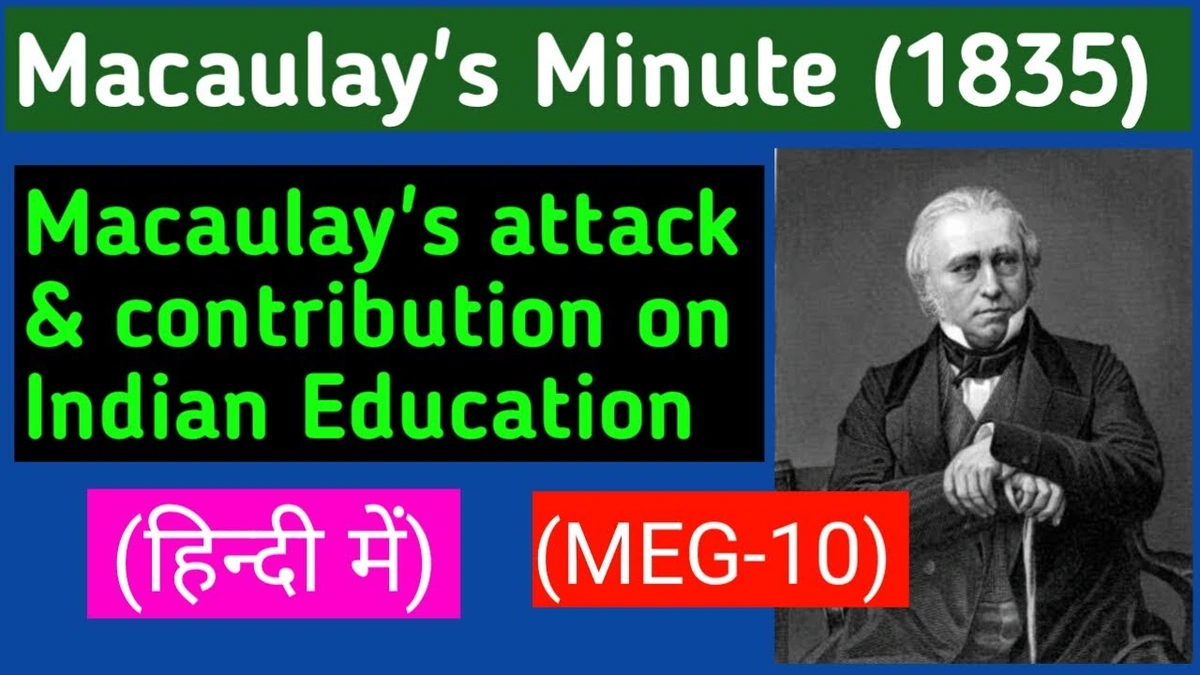
Okay, let’s be real. When I first heard about Modi’s call to decolonize education, my initial thought was, “Here we go again, more political buzzwords.” But, the more I dug into it – really dug into the ‘ Macaulay Education Minute ‘ and the implications – the more I realized this is about so much more than just changing textbooks. It’s about a fundamental shift in how we, as Indians, perceive ourselves and our place in the world. So, let’s unpack this, shall we?
The Ghost of Macaulay | Why Now?
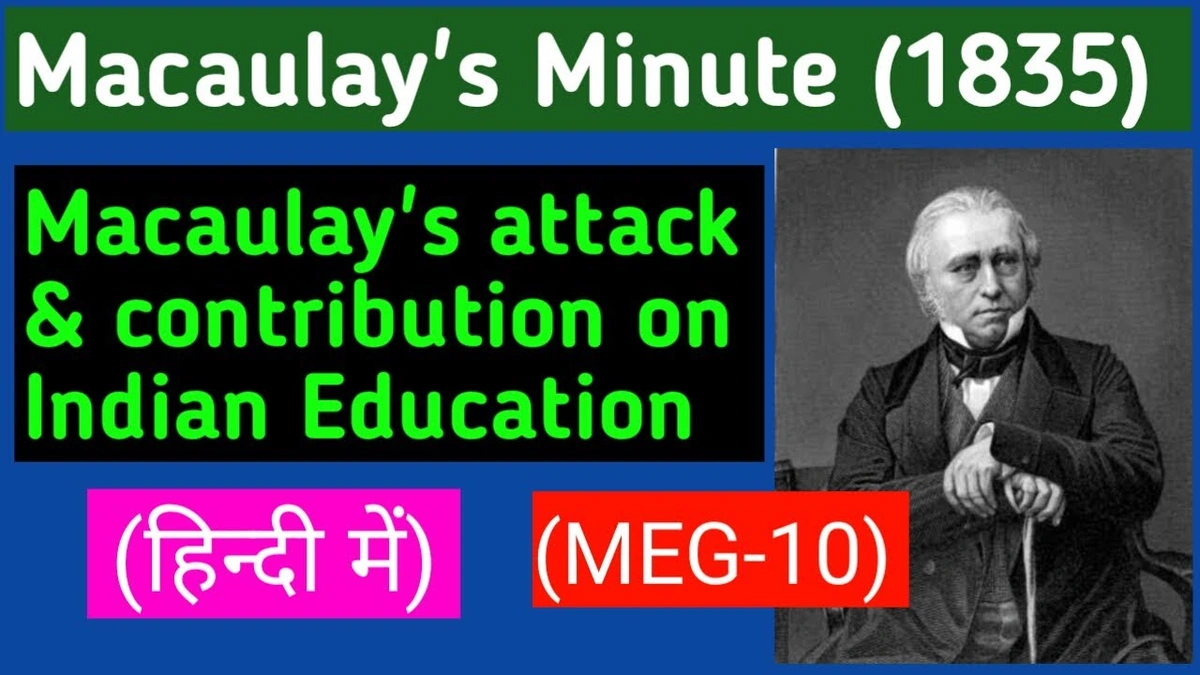
Lord Thomas Babington Macaulay, the guy whose ‘minute’ on education in 1835 laid the groundwork for a system designed to create clerks for the British Empire – yeah, that guy. His shadow still looms large over our education system. But why is this conversation gaining traction now? What fascinates me is the timing. India is at a unique crossroads, flexing its economic and cultural muscle on the global stage. There’s a growing sense of national pride, a desire to reclaim our narrative. This call to decolonize isn’t just about rewriting history books; it’s about rewriting our future.
And here’s the thing: this isn’t just a Modi thing. The debate about the relevance of our education system has been simmering for decades. Students often find that their academic knowledge doesn’t translate well into practical skills needed for the job market. There’s a disconnect between what we learn and the realities of the 21st century. So, this call to action might just be the catalyst we need. As per the guidelines mentioned in the National Education Policy (NEP) 2020, there is a renewed focus on skill-based education and critical thinking.
Beyond Textbooks | What Decolonization Really Means
Let me rephrase that for clarity. Decolonizing education isn’t just about removing British-era content. It’s about:
- Reclaiming Indigenous Knowledge: Recognizing and integrating traditional Indian knowledge systems – from Ayurveda to Yoga to ancient mathematics – into the curriculum.
- Promoting Critical Thinking: Encouraging students to question, analyze, and form their own opinions, rather than blindly accepting what they’re told.
- Fostering Cultural Pride: Instilling a sense of pride in our rich cultural heritage and promoting a deeper understanding of our history from an Indian perspective.
But, and this is a big but, it’s crucial to avoid the trap of replacing one form of indoctrination with another. We need to ensure that decolonization doesn’t become a tool for promoting a narrow, nationalistic agenda. The goal should be to create a more inclusive, holistic, and relevant education system that empowers students to become critical thinkers and responsible global citizens.
The ‘How’ | Practical Steps for Change
So, how do we actually do this? What are the practical steps involved in decolonizing education? I initially thought this was straightforward, but then I realized it’s a complex, multi-layered process. Here’s what I’ve gathered:
- Curriculum Reform: This involves a thorough review and revision of textbooks and learning materials to ensure they reflect a more balanced and inclusive perspective on Indian history and culture.
- Teacher Training: Educators need to be trained to effectively integrate indigenous knowledge systems and promote critical thinking in the classroom. A common mistake I see people make is assuming that simply changing the textbooks is enough.
- Language Policy: Promoting the use of Indian languages as mediums of instruction, especially at the primary level, is crucial for fostering a deeper connection with our cultural roots.
- Community Involvement: Engaging local communities in the education process can help ensure that the curriculum is relevant to the specific needs and context of each region.
And speaking of practical, many are asking about the National Education Policy 2020 and its role in this. It’s designed, among other things, to modernize curriculum, encourage critical thinking, and promote vocational skills. You can read more about the latest news stories and the latest education world news here . It can be a great resource in decolonizing the Indian education system.
Challenges and Criticisms
Let’s be honest, no major reform comes without its fair share of challenges and criticisms. One of the biggest concerns is the potential for politicization. There’s a risk that decolonization could be used as a tool to promote a particular political ideology, rather than a genuine effort to create a more inclusive and relevant education system. Another challenge is the lack of resources and expertise. Implementing these changes will require significant investment in teacher training, curriculum development, and infrastructure. And as per the guidelines mentioned in the information bulletin, resources are always limited.
But here’s where I think things get interesting. There are those who argue that focusing on decolonization is a distraction from more pressing issues, such as improving access to quality education for all. They contend that the real problem isn’t the content of the curriculum, but the lack of adequate funding, infrastructure, and qualified teachers, especially in rural areas. It’s a valid point, and one that needs to be addressed alongside the broader decolonization agenda.
The Future of Indian Education | A Global Perspective
So, what does the future hold for Indian education? I believe that Modi’s call to decolonize education has the potential to be a transformative moment for our country. But only if we approach it with a spirit of openness, inclusivity, and critical thinking. We need to avoid the trap of simply replacing one set of biases with another. The goal should be to create an education system that prepares our students to thrive in a rapidly changing world, while also instilling in them a deep sense of pride in their cultural heritage. As India becomes an important player in AI development, it is key to consider how to best move forward in decolonizing AI medical education strategy .
And here’s the final insight. Decolonizing education isn’t just about India; it’s part of a global movement to challenge Western-centric perspectives and promote more diverse and inclusive narratives. By embracing our own unique history, culture, and knowledge systems, we can contribute to a richer and more vibrant global tapestry. The NEP 2020 aims to create more holistic and integrated approaches to learning and teaching. And if we get it right, we can create an education system that not only empowers our students but also inspires the world.
FAQ Section
What exactly does “decolonizing education” mean?
It means re-evaluating and reforming the education system to remove the lingering influences of colonial-era thinking. It includes incorporating indigenous knowledge, promoting critical thinking, and instilling cultural pride.
How will this impact the current curriculum?
Expect revisions to textbooks and learning materials to offer a more balanced perspective on Indian history and culture, as well as increased emphasis on indigenous knowledge systems.
Will this affect competitive exams like JEE and NEET?
Over time, yes. The focus will shift towards application-based learning and critical thinking, which could influence the format and content of these exams, but we are still waiting to see. Many students are seeking updates on CBSE new syllabus, so keeping up to date on the news is key to exam prep!
Is this just about removing British history from the curriculum?
No, it’s far broader. While addressing historical biases is a part, the main goal is to incorporate Indian perspectives, knowledge systems, and cultural values into all aspects of education.
How can parents support this shift in education?
Encourage your children to explore Indian culture, history, and languages. Promote critical thinking by asking questions and engaging in discussions about what they’re learning.
Where can I find more information about the National Education Policy (NEP) 2020?
Visit the official website of the Ministry of Education. Link to Ministry of Education for detailed documents and updates on the NEP 2020. You can also find information on the latest CBSE syllabus updates.
Leave feedback about this