
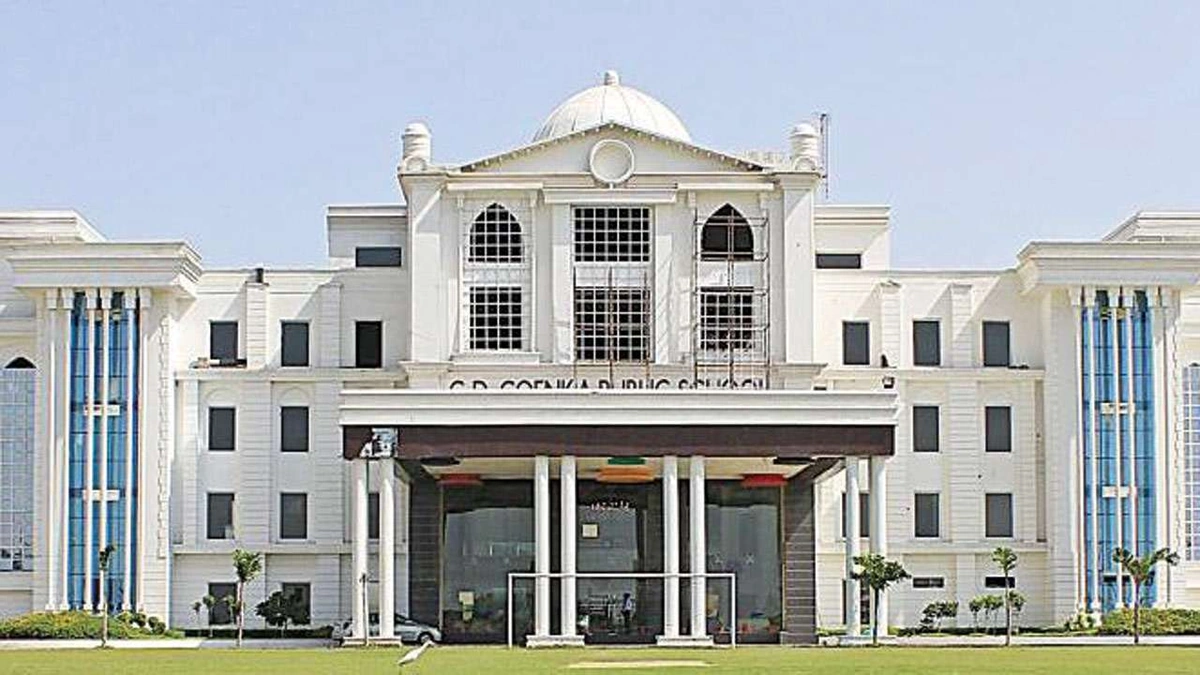
The air in Ghaziabad – let’s be honest, it’s not always the freshest. And when that pollution spikes, it’s not just about itchy eyes; it’s about our kids’ health and their education. So, when I heard that Ghaziabad schools were shifting to hybrid classes due to the worsening air quality, I thought, “Finally!” But then the questions started swirling: What does this really mean for students? How effective is this, actually? And is it enough?
Here’s the thing: this isn’t just a simple news story. It’s a reflection of a bigger problem – one that demands we look beyond the headlines and understand the ripple effect on our children’s lives. Let’s dive in.
The “Why” Behind the Shift | More Than Just Bad Air

On the surface, the reason is clear: pollution. Ghaziabad often finds itself near the top of the list of India’s most polluted cities. But why hybrid classes? It’s not just a knee-jerk reaction. Prolonged exposure to toxic air has serious consequences for children. We’re talking respiratory problems, impaired cognitive development (that’s a big one!), and increased risk of long-term health issues. No parent wants that for their child. Check here for related content.
Schools are caught between a rock and a hard place. They need to ensure students’ safety and their education. A complete shutdown disrupts learning, especially for students from disadvantaged backgrounds who may not have access to online resources at home. Hybrid classes – a mix of in-person and online learning – offer a compromise. It reduces exposure to pollution while maintaining some semblance of normalcy. The impact of pollution on Ghaziabad education can be massive.
But here’s where it gets tricky. The effectiveness of hybrid classes hinges on several factors: the quality of online instruction, access to technology for all students, and the ability of parents to support their children’s learning at home. It’s not a magic bullet.
The “How” of Hybrid Learning in Ghaziabad | A Practical Guide
So, your child’s school has announced hybrid classes. What now? Don’t panic! Let’s break down the practical steps to navigate this new reality. I initially thought this was straightforward, but then I realized many parents are as confused as I am.
- Understand the Schedule: Get crystal clear on which days are online and which are in-person. What fascinates me is how schedules vary so much school to school.
- Tech Check: Ensure your child has reliable internet access and a working device (laptop, tablet, or even a smartphone). If you’re struggling with this, reach out to the school. Many schools have programs to assist students with technology needs.
- Create a Study Space: Designate a quiet, well-lit area at home for online learning. Minimize distractions. Easier said than done, I know!
- Communication is Key: Stay in close contact with your child’s teachers. Understand their expectations and address any concerns promptly.
- Monitor Screen Time: Too much screen time is bad for everyone. Encourage breaks and physical activity during online learning days.
A common mistake I see people make is assuming that online learning is “easier.” It requires discipline, focus, and active participation. Help your child develop these skills.
Online classes require specific equipment at home. Also air pollution in Ghaziabad is increasing continuously.
The Emotional Toll | Anxiety, Uncertainty, and Resilience
Let’s be honest, this situation isn’t ideal. Parents are juggling work, household responsibilities, and now, managing their child’s hybrid learning schedule. Children are dealing with the disruption of their routines, the potential for social isolation, and the anxiety of missing out on in-person interactions. I’ve seen it all among my friends and family. The shift to online education can have impacts on children’s mental health.
It’s okay to feel overwhelmed. Acknowledge your emotions and talk to someone – your partner, a friend, or a family member. Encourage your child to express their feelings too. Create a safe space for them to share their concerns and anxieties. Read this news .
But amid the challenges, there’s also an opportunity for growth. This situation is forcing us to become more resilient, more adaptable, and more resourceful. We’re learning new skills, forging stronger bonds with our children, and advocating for a healthier environment. So, Ghaziabad school children need special attention in this phase of education.
Beyond the Classroom | Addressing the Root Cause
Hybrid classes are a Band-Aid solution. The real problem is the air pollution itself. We need to address the root causes – vehicular emissions, industrial pollution, construction dust, and agricultural burning. This requires a multi-pronged approach involving government policies, corporate responsibility, and individual actions.
What can you do? Advocate for stricter environmental regulations. Support sustainable transportation options. Reduce your own carbon footprint. Educate yourself and others about the causes and consequences of air pollution. Every small action makes a difference. As per the guidelines mentioned in the information bulletin, air quality is an important factor in school management. You can contribute to reducing pollution and thus improving education.
According to the latest circular on the official website of the Central Pollution Control Board (cpcb.nic.in), air quality standards are continuously monitored, and advisories are issued to take necessary precautions. It’s our collective responsibility to ensure that our children can breathe clean air and receive a quality education.
The Future of Ghaziabad Education | A Call for Innovation
The adoption of hybrid classes in Ghaziabad is a sign of the times. It’s a reminder that our education system needs to be flexible, adaptable, and responsive to the challenges of the 21st century. What does the future hold? Perhaps more outdoor learning opportunities when air quality is good, investment in air purification technologies for classrooms, and a greater emphasis on environmental education. It requires quality education to improve the situation.
Let me rephrase that for clarity: Ghaziabad has the potential to become a leader in innovative education. It requires schools, parents, and students to embrace change, collaborate effectively, and prioritize the well-being of our children. It’s not just about surviving; it’s about thriving.
FAQ Section
Frequently Asked Questions
What if my child doesn’t have access to a computer or the internet at home?
Contact the school immediately. Many schools have programs to provide devices or internet access to students in need.
How can I help my child stay focused during online classes?
Create a dedicated study space, minimize distractions, and encourage regular breaks.
What if I have concerns about the quality of online instruction?
Communicate your concerns to the teacher or school administration. Schools are constantly working to improve their online learning programs.
How can I get more involved in my child’s education during hybrid learning?
Attend school events (online or in-person), volunteer your time, and stay in close communication with teachers.
Is there data about the academic performance of students during the hybrid phase?
Schools are actively monitoring student performance. Check with your child’s school to find this information.
Where can I find updates on Ghaziabad school policies related to air pollution?
Check the school’s website or contact the school administration directly. Learn more here .
The shift to hybrid classes in Ghaziabad is a complex issue with no easy answers. But by understanding the “why,” mastering the “how,” and addressing the emotional toll, we can navigate this challenge together and create a brighter future for our children. It’s not just about education; it’s about creating a healthier, more sustainable, and more equitable society. And that’s something worth fighting for.

Leave feedback about this