

The news from Vasai is heartbreaking. A Class 6 student is no more, and naturally, everyone’s asking questions. An education officer is now involved, meeting with the parents, trying to piece together what happened. But this isn’t just a local tragedy; it’s a stark reminder of the pressures our kids face, and it’s time we had an honest conversation about it.
The Unseen Pressures on Young Students

Let’s be honest – school isn’t just about learning anymore. It’s about grades, competition, and the constant pressure to perform. What fascinates me is how early this starts. A Class 6 student? That’s barely past childhood! What kind of burden were they carrying? We need to talk about the rising academic stress in schools and its impact on young minds.
I initially thought this was an isolated incident, but then I realized it reflects a broader issue. The syllabus gets tougher, expectations rise, and kids often feel like they’re drowning. There’s also parental pressure and expectations to excel, often starting at a very young age. And then there’s this new element that’s come into the fray: online learning. This event raises questions regarding the support available to students and whether schools are adequately equipped to identify and address student’s issues. What’s being done to support their mental health, and are resources reaching those who need them most?
What the Investigation Could Reveal
The education officer’s investigation is crucial. It’s not just about finding facts, but understanding the context. Was there bullying involved? Were there academic pressures? What support systems were in place, and did they fail this child? It is a crucial step to identify systemic failures. It’s vital to get to the bottom of this to avoid similar tragedies, but it’s also essential that the investigation is carried out sensitively.
According to child welfare advocates ( Childline India Foundation ), early intervention is key. Schools must actively promote mental well-being, teach coping mechanisms, and provide a safe space for children to voice their concerns. The investigation may also shed light on how schools can be made more sensitive towards children’s mental states. There is no substitute for vigilant supervision and care for young minds that are impressionable.
The Role of Parents and Educators
Here’s the thing: parents and educators need to work together. It’s not just about pushing kids to score higher; it’s about nurturing their overall well-being. Are we creating an environment where children feel comfortable sharing their struggles? Or are we inadvertently adding to their stress? This incident in Vasai must serve as a wake-up call for parents and educators. We need to communicate to our children and students that their emotional and mental wellbeing matters. This may involve seeking professional help for issues that can’t be easily resolved.
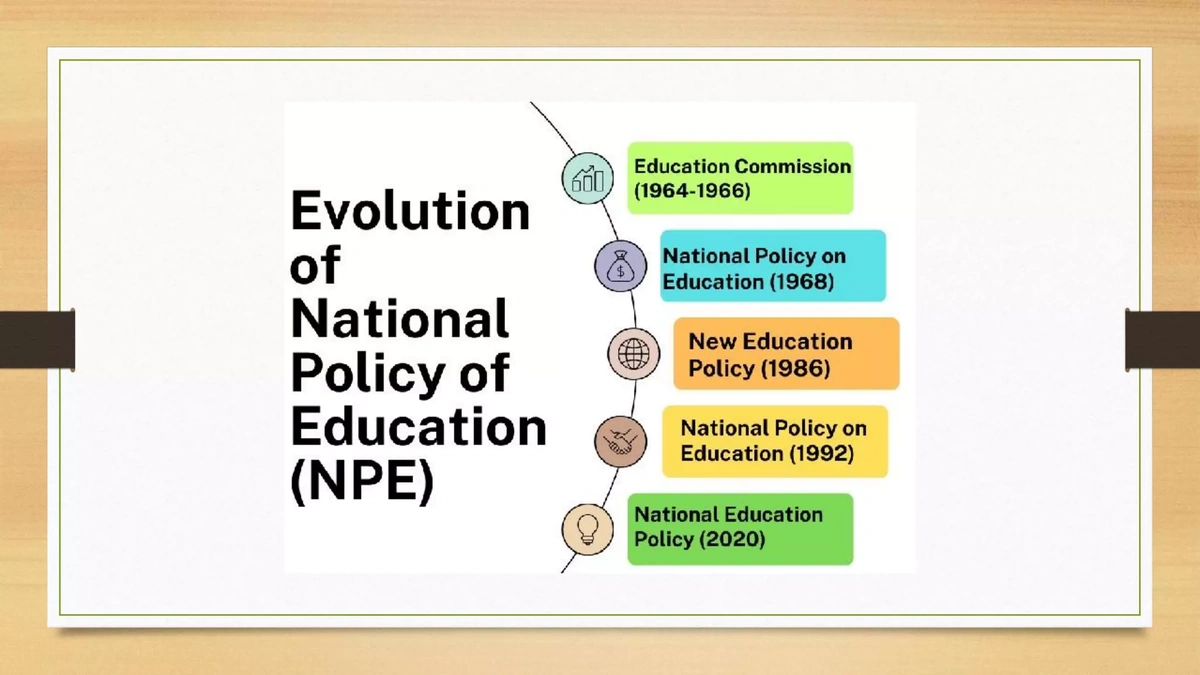
A common mistake I see people make is thinking that mental health is a separate issue from academic performance. In reality, they’re deeply intertwined. A stressed child is less likely to learn effectively. As per the guidelines mentioned in the National Education Policy (NEP) 2020, there is now a greater focus on the holistic development of the child rather than focusing solely on academic success. This requires a change in mindset and an effort to create a supportive environment for children.
Moving Forward | Creating a Safer School Environment
This tragedy demands action. We need to push for better mental health support in schools, train teachers to identify students in distress, and create a culture of open communication. And we also need to rethink our obsession with grades. What if we focused on learning and growth instead? What if we celebrated effort and resilience, not just scores? The one thing you absolutely must advocate for is a safe and supportive environment for our children. Let’s foster positive relationships between students and teachers.
But, let’s be real, change won’t happen overnight. It requires a collective effort from parents, educators, policymakers, and the community as a whole. We need to demand better, advocate for our children, and create a system that prioritizes their well-being above all else. After all, what is a better investment than in their future? It also requires an understanding of factors that contribute to a child’s deteriorating mental health , especially those in a school environment. The incident in Vasai should be a catalyst for change.
Focusing on Student Wellbeing
What fascinates me is how we’ve normalized the idea of students having to deal with so much pressure at such a young age. We often hear about adults struggling with stress, anxiety, and burnout. Are we adequately preparing students for handling academic pressure, and for dealing with setbacks and disappointments? Now, it is more important than ever to implement programs and initiatives that prioritize student wellbeing.
But it’s not enough to just talk about it. We need to actively listen to our children, validate their feelings, and provide them with the support they need. Remember, students’ mental health and wellbeing isn’t merely a buzzword; it is a fundamental requirement for their healthy development. As a society, we must prioritize creating safe, supportive, and nurturing learning environments where every child can thrive and reach their full potential. An environment that fosters positive mental health allows them to thrive in their academic pursuits and in their life.
This conversation around the unfortunate Vasai student death can be a turning point. Let’s turn this tragedy into an opportunity to make lasting change. It’s time to make a change.
FAQ Section
Frequently Asked Questions
What immediate steps can schools take to improve student mental health?
Schools should implement regular mental health screenings, provide counseling services, and train teachers to recognize signs of distress. Creating a safe and supportive environment where students feel comfortable sharing their feelings is also crucial.
How can parents help alleviate academic stress in children?
Parents can focus on effort and learning rather than just grades, encourage open communication, and provide a supportive home environment. It’s important to help children develop healthy coping mechanisms for stress.
What resources are available for students struggling with mental health issues?
Many organizations offer helplines, online resources, and counseling services for students. School counselors, therapists, and community mental health centers can also provide support.
What role does technology play in student mental health?
Technology can be a double-edged sword. While it offers access to information and support, excessive screen time and social media can contribute to anxiety and depression. Parents and educators should promote responsible technology use and encourage offline activities.
How can schools create a more inclusive and supportive environment for all students?
Schools can implement anti-bullying programs, promote diversity and inclusion, and provide support for students with special needs. Creating a culture of respect and empathy is essential.
What is the role of peer support in student mental health?
Peer support programs can provide students with a sense of belonging and connection, reducing feelings of isolation and loneliness. Trained peer mentors can offer a listening ear and connect students with resources.


Leave feedback about this