
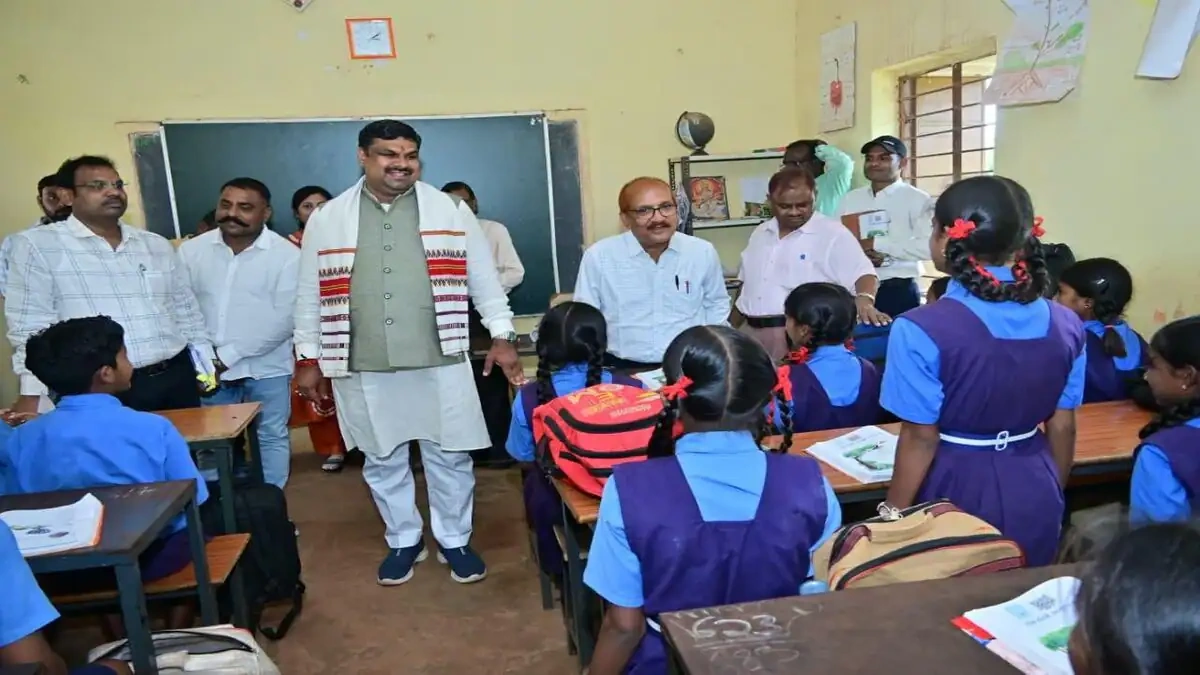
The whirring of ceiling fans, the rhythmic chanting of multiplication tables, the faint smell of chalk dust – these are the hallmarks of a typical government school in India. But what happens behind the scenes? What ensures these institutions, the cornerstones of our children’s future, are functioning as they should? The answer, my friend, lies in school inspections . And now, the Education Department is doubling down, implementing regular monitoring. But why now? And what does this mean for our kids, our teachers, and the future of education itself? Let’s dive in, shall we?
The “Why” Behind the Whistle | Unpacking the Need for Regular Monitoring
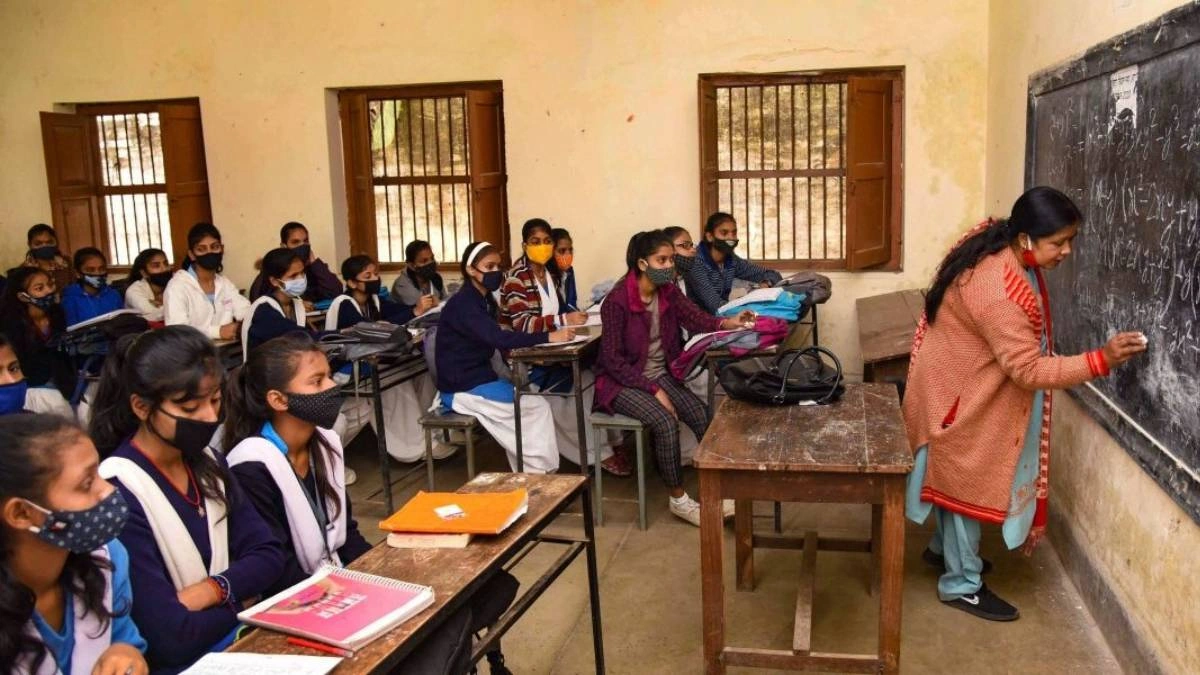
Let’s be honest: the term “inspection” can conjure up images of stern-faced officials with clipboards, scrutinizing every detail. But the reality, or at least the hope , is far more nuanced. The truth is, many government schools, despite the tireless efforts of dedicated teachers, face systemic challenges. Resource constraints, infrastructure gaps, and teacher shortages are just the tip of the iceberg. Regular government school monitoring aims to address these very issues. It’s not about catching teachers doing wrong; it’s about identifying areas where they need support, where resources are lacking, and where systemic changes are necessary.
Think of it like this: a doctor doesn’t just treat symptoms; they diagnose the underlying cause. Similarly, regular school inspections are designed to diagnose the health of our educational institutions, not just treat the superficial issues. The goal? To create a more equitable and effective learning environment for all.
From Chalkboards to Checklists | What Does Monitoring Actually Involve?
So, what does this “monitoring” actually look like on the ground? It’s not just a cursory glance at attendance registers, I assure you. It involves a multi-faceted approach, encompassing several key areas:
- Infrastructure Assessment: Are the classrooms safe and conducive to learning? Are there adequate sanitation facilities? Is there access to clean drinking water? These are fundamental questions that need answering.
- Teacher Performance and Development: Are teachers adequately trained and supported? Are they utilizing effective teaching methodologies? Do they have access to continuous professional development opportunities?
- Student Learning Outcomes: Are students achieving the expected learning outcomes? Are they receiving the support they need to succeed? What interventions are in place to address learning gaps?
- Resource Management: Are resources being utilized effectively and efficiently? Is there transparency and accountability in financial management?
The process typically involves a combination of classroom observations, teacher interviews, student assessments, and review of school records. The findings are then compiled into a report, which is used to inform policy decisions and allocate resources more effectively. According to a report from the National Institute of Educational Planning and Administration (NIEPA), effective monitoring systems are crucial for improving school performance and student outcomes (education.gov.in).
The Human Element | Addressing Concerns and Empowering Educators
Now, let’s address the elephant in the room. Many teachers understandably feel apprehensive about school inspections . The fear of being judged, the pressure to perform, and the potential for negative consequences can create anxiety. But here’s the thing: the goal isn’t to penalize teachers; it’s to empower them. Regular monitoring should be viewed as an opportunity for growth and improvement, not as a threat. Effective implementation requires a collaborative approach, where inspectors work with teachers, not against them. The focus should be on providing constructive feedback, identifying areas for professional development, and celebrating successes. What fascinates me is that in some ways, this could improve the relationship between administration and educators.
And let’s not forget the students! A well-functioning school inspection system directly benefits students by ensuring they receive a quality education in a safe and supportive environment.
Beyond the Checklist | The Long-Term Impact of Regular Monitoring
So, what’s the big picture here? What’s the long-term impact of regular government school monitoring ? The answer is multifaceted. Firstly, it can lead to improved student learning outcomes. By identifying learning gaps and providing targeted interventions, we can help students reach their full potential. Secondly, it can enhance teacher effectiveness. By providing teachers with the support and resources they need, we can empower them to become more effective educators. Thirdly, it can promote greater transparency and accountability in the education system. By ensuring that resources are being utilized effectively and efficiently, we can build public trust and confidence in our schools. The education department will be able to make better informed decisions and allocate resources more effectively, leading to a more equitable and effective education system.
And the truth is, it helps parents like you and I be more confident in the schools we send our kids to.
The Road Ahead | Challenges and Opportunities
Of course, implementing a robust and effective monitoring system is not without its challenges. Resource constraints, logistical hurdles, and resistance to change are just some of the obstacles that need to be overcome. But the potential benefits are simply too significant to ignore. The good news is that the Education Department is committed to addressing these challenges and creating a system that is both effective and equitable. This may include better resource allocation, improved training for inspectors, and greater community involvement.
I initially thought this was straightforward, but then I realized the complexity of education in India and the challenges the education department faces when implementing these regulations. We also need to consider the socio-economic factors that affect education and how they can be addressed through monitoring. The most important thing is to ensure the well-being of the students and create a positive learning environment. This will allow the students to flourish and the schools to reach their full potential.
FAQ | Your Burning Questions Answered
Frequently Asked Questions
What exactly is government school monitoring?
It’s a regular inspection process to ensure schools meet standards for infrastructure, teaching, and student outcomes.
Why is this monitoring being implemented now?
To improve the quality of education, identify gaps, and allocate resources effectively.
How will this affect teachers?
It aims to support teachers with resources and training, not penalize them.
Will student performance be affected?
Ideally, it will improve student learning outcomes through better teaching and support.
How often will these inspections occur?
The frequency will be determined by the Education Department.
Who conducts these inspections?
Designated officials from the Education Department.
So, the Education Department’s move to implement regular government school monitoring is more than just an administrative decision; it’s a statement of intent. It’s a commitment to ensuring that every child in India, regardless of their background, has access to a quality education. What I find particularly interesting is how this could affect schools in rural areas. The impact might be much bigger there. The road ahead may be challenging, but the destination – a brighter future for our children – is worth every effort.


Leave feedback about this