
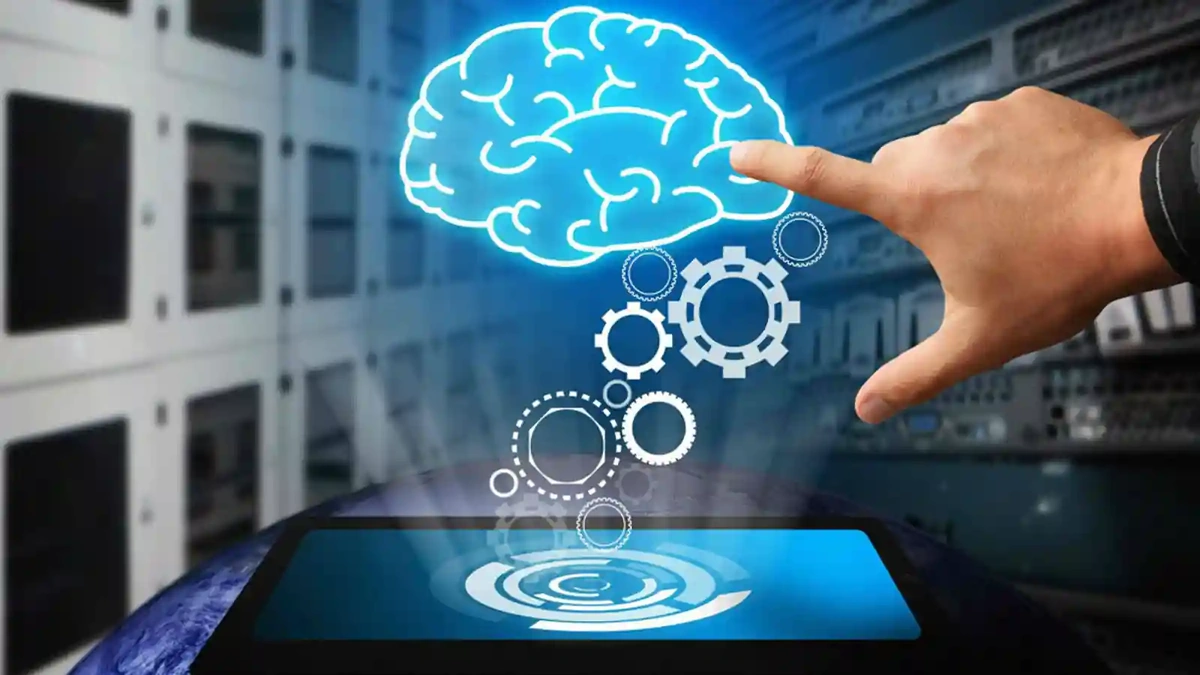
What if understanding the human brain became a core subject, right alongside math and science? That’s the question at the heart of a growing movement advocating for neuroscience education from a young age. And now, a prominent voice has joined the chorus: the Vice-Chancellor of Pondicherry University. Let’s be honest, most of us only think about our brains when something goes wrong – a headache, a memory lapse, or worse. But imagine a world where we all had a basic understanding of how our brains work, how they develop, and how to keep them healthy. That’s the future this advocate envisions.
Why Neuroscience in Schools Matters – More Than You Think

Here’s the thing: neuroscience education isn’t just about learning the parts of the brain. It’s about understanding ourselves. It’s about developing critical thinking skills, improving mental health, and fostering a lifelong love of learning. A child who understands how their brain learns is better equipped to tackle challenges in school and in life. According to research fromThe Dana Foundation, early exposure to brain science can significantly impact cognitive development.
And it’s not just for the kids. Teachers, too, can benefit immensely. Imagine educators equipped with the knowledge to understand how different learning styles affect the brain, how stress impacts learning, and how to create a more brain-friendly classroom. Suddenly, teaching becomes less about rote memorization and more about fostering genuine understanding. It offers profound insights into areas like child development and adolescent behavior.
From Neurons to Note-Taking | Practical Applications in the Classroom
But how would you even teach neuroscience to, say, a 10-year-old? It’s not as daunting as it sounds. Start with the basics. Explain how the brain is like a complex computer, receiving and processing information. Use analogies to make it relatable. Games, experiments, and hands-on activities can bring the subject to life. Think about simple experiments that demonstrate concepts like neuroplasticity (the brain’s ability to change and adapt) or the importance of sleep for memory consolidation.
I initially thought that implementation of neuroscience education would be straightforward, but then I realized that resources and teacher training are critical to succeed. So how do we make this happen in India? Well, it starts with advocacy. It starts with voices like the Pondicherry University VC championing the cause and pushing for change at the policy level.
And, of course, the integration of cognitive neuroscience into existing curricula is the key. But this should be in a way that complements them and will help students learn other subjects better. This is why we need to focus on teacher professional development.
Addressing the Challenges and Paving the Way Forward
Of course, there will be challenges. Integrating neuroscience concepts into the curriculum requires resources, teacher training, and a shift in mindset. Some may argue that it’s an unnecessary addition to an already overloaded syllabus. But here’s the thing: understanding the brain isn’t just another subject; it’s a framework for learning itself. Plus, it can open doors to future career paths in fields like medicine, technology, and education. Now we are also seeing applications of behavioral neuroscience in advertising, policy making and law.
But, the benefits of neuroscience education are clear. The challenges need to be solved using innovative ideas. It’s about empowering the next generation with the knowledge and tools to thrive in an increasingly complex world. Let me rephrase that for clarity: it’s about equipping them with the ultimate learning tool – their own brains.
The Indian Context | A Unique Opportunity for Innovation
India, with its rich educational heritage and burgeoning technology sector, has a unique opportunity to lead the way in brain-based learning. Imagine a curriculum that blends traditional Indian wisdom with cutting-edge neuroscience research. Imagine schools that prioritize not just academic achievement but also mental well-being and emotional intelligence. What fascinates me isthe potential for India to become a global hub for neuroscience education, attracting students and researchers from around the world.
But it won’t happen overnight. The VC advocating for this is the starting point. It requires collaboration between educators, policymakers, researchers, and the community at large. It requires a willingness to embrace new ideas and challenge existing paradigms. But the rewards are immense: a more knowledgeable, more resilient, and more innovative society.
Neuroscience Education Resources
One way to support neurological education is to provide appropriate resources. Here are some that you may find helpful:
- Society for Neuroscience (SfN): Offers educational resources, including BrainFacts.org, and hosts outreach events.
- Dana Foundation: Supports brain research and provides educational materials for students and teachers.
- National Institute of Neurological Disorders and Stroke (NINDS): Provides information on neurological disorders and research findings.
- Khan Academy: Offers free online courses and lessons on various subjects, including neuroscience.
- Brain Awareness Week: An annual global campaign to increase public awareness of the progress and benefits of brain research.
FAQ
Frequently Asked Questions
Why is neuroscience important in education?
Neuroscience enhances teaching methods by providing insights into how the brain learns, aiding in the development of effective educational strategies.
How can schools integrate neuroscience into their curriculum?
Schools can integrate neuroscience by incorporating brain-based learning principles, such as active recall and spaced repetition, into teaching practices.
What are the benefits of understanding brain function for students?
Understanding brain function helps students learn more efficiently and develop better study habits, enhancing their overall academic performance.
What neuroscience education resources are available for teachers?
Resources include workshops, online courses, and educational materials provided by neuroscience organizations and research institutions.
Can neuroscience help in addressing learning disabilities?
Yes, neuroscience can inform interventions for learning disabilities by identifying neurological factors that contribute to these challenges.
How does neuroscience impact educational policy and reform?
Neuroscience informs educational policy by providing evidence-based insights into effective learning strategies and the impact of educational practices on brain development.


Leave feedback about this