
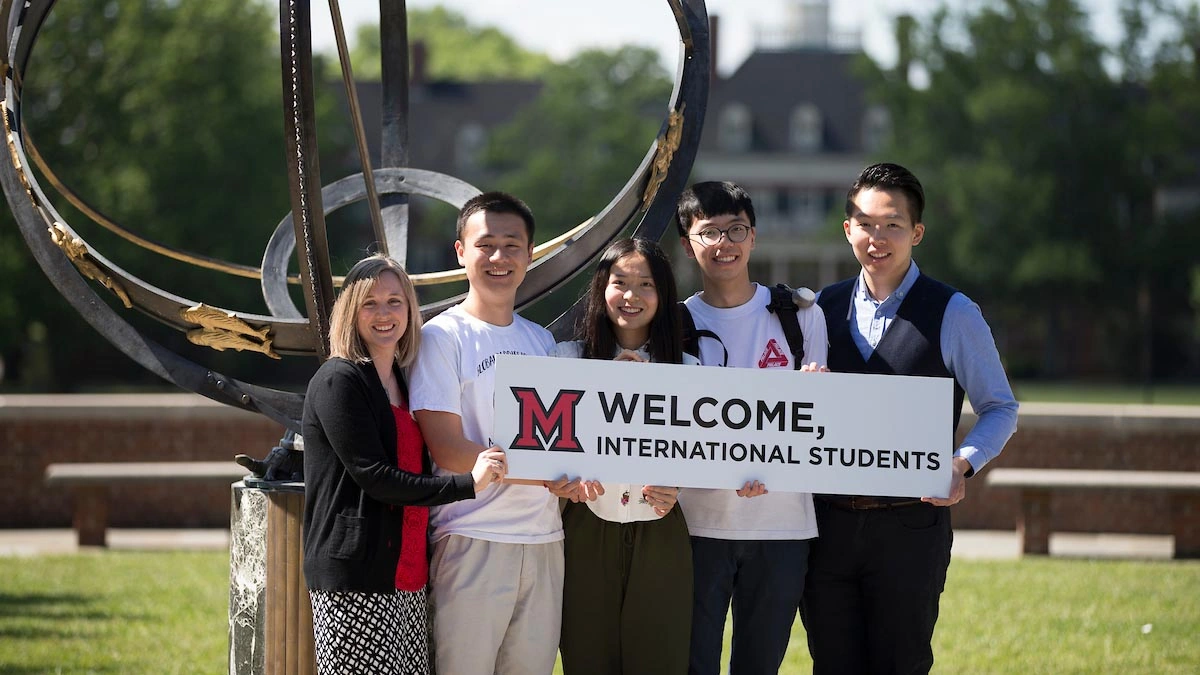
So, Columbia University is seeing fewer international student applications . That’s the headline. But here’s the thing: it’s not just Columbia, and it’s not just about visas. We need to dig deeper to understand what’s really happening. What fascinates me is the evolving landscape of global education and how perceptions of US education are changing, especially for students from India. Let’s unpack this, shall we?
The Visa Maze | More Than Just Red Tape

Yeah, visa issues are a big piece of this puzzle. Let’s be honest, navigating the US visa process can feel like trying to solve a Rubik’s Cube blindfolded. The uncertainty around visa approvals, potential delays, and the overall complexity is a major deterrent. It’s not just the cost; it’s the stress. Students and their families often weigh the odds – is the dream of a US education worth the bureaucratic headache? For many, especially those with offers from top-notch universities in other countries with streamlined visa processes, the answer is increasingly “no.” A common mistake I see people make is to underestimate the processing time for visas.The US Department of Statehas resources for applicants to understand these processes.
Shifting Sands | Perceptions of US Education
But, and this is a big but, the visa situation is only half the story. What’s really shifting is the perception of US education itself. We’re seeing a rise in the quality of universities in other countries, including India. Institutions in Europe, Australia, and even Asia are becoming increasingly attractive alternatives, offering world-class education without the hefty price tag and, frankly, the political baggage that sometimes comes with studying in the US. The rising cost of tuition and living expenses in the US, coupled with concerns about safety and social issues, is making students (and their parents) think twice. According to a recent report, the average cost of tuition at a private university in the US is over $40,000 per year. That’s a serious investment!
And here’s another layer: the job market. Students aren’t just looking for a degree; they’re looking for a future. If they perceive better job opportunities or more welcoming immigration policies elsewhere, they’ll vote with their feet. So , this is where universities need to focus to bring back international students .
The Indian Perspective | Why This Matters
For Indian students, this trend is particularly significant. India has consistently been one of the top countries sending students to the US. The allure of an American education, especially in fields like engineering, computer science, and business, has been strong. But with the growth of IITs, IIMs, and other world-class institutions in India, the gap is closing. Plus, many Indian families are now considering countries like Canada, Germany, and Australia, which offer more straightforward pathways to permanent residency after graduation. Let me rephrase that for clarity: the ROI on a US education isn’t as clear-cut as it used to be, and Indian students are savvy investors in their own futures. It’s not just about the prestige; it’s about the practicalities.
What Can Columbia (and Other Universities) Do?
So, what’s the solution? Universities like Columbia need to adapt. It’s not enough to simply rely on their reputation. They need to actively address the concerns of prospective international students . This means:
- Simplifying the application and visa process: Partnering with immigration lawyers and offering comprehensive support to students navigating the complexities.
- Highlighting career opportunities: Showcasing successful alumni and providing clear pathways to internships and jobs after graduation.
- Addressing safety concerns: Creating a welcoming and inclusive campus environment and actively promoting student well-being.
- Demonstrating value: Clearly articulating the unique benefits of a Columbia education and showcasing the ROI in terms of career advancement and earning potential.
And, critically, they need to listen to the students themselves. What are their biggest concerns? What would make them choose Columbia over another university? The answers are out there; they just need to be asked.
What fascinates me is how institutions can be dynamic to global shifts in student choices. We need more dialogue and action by institutions.
The Future of International Education
Ultimately, the decline in international student applications at Columbia is a symptom of a larger trend. The world of education is changing, and universities need to evolve to stay relevant. It’s no longer enough to simply offer a good education; they need to offer a great experience, a clear path to a successful future, and a welcoming and supportive environment. The universities that adapt will thrive; those that don’t will be left behind. And students will go where they find the best value, the best opportunities, and the best chance to achieve their dreams. The impact on the global education landscape will be felt for years to come.
This isn’t just about Columbia; it’s about the future of education. It’s about understanding the needs and aspirations of students from around the world and creating institutions that truly serve them. And that, my friends, is something worth thinking about.
FAQ
What are the main reasons for the decline in foreign applications?
Visa issues, shifting perceptions of U.S. education, and increasing competition from universities in other countries.
Are other U.S. universities experiencing a similar decline?
Yes, this trend is being observed at several other universities across the United States.
What can international students do to navigate the visa process more effectively?
Start the application process early, gather all required documents meticulously, and seek guidance from university advisors.
How are universities addressing concerns about safety and inclusivity?
By implementing comprehensive safety measures, promoting diversity and inclusion initiatives, and offering support services for international students .
What impact does this trend have on the international student community?
It may lead to increased competition for spots in top universities and a shift in preferred study destinations.
Where can I find more information about U.S. visa requirements?
Check the official website of the U.S. Department of State for the most up-to-date information.
Check out more information on schools.
Know more about AI on brand.



Leave feedback about this