
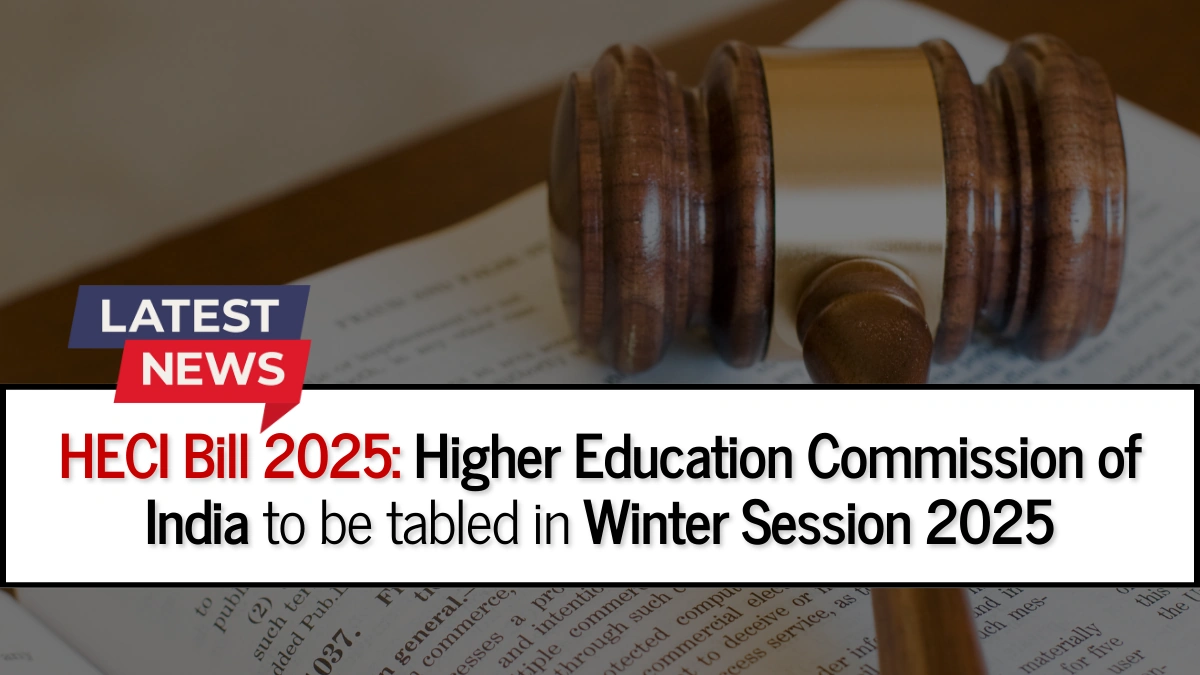
Let’s be honest, the Indian higher education system is at a crossroads. We all know it. For decades, rote learning and outdated curricula have been the norm. But, whispers of change are growing louder. What fascinates me is not what changes are coming, but why they matter and how they will impact students like you and me. So, let’s dive deep, shall we?
Why This Transformation Matters | A Shift in Perspective

The “why” behind the push for new approaches in Indian Higher Education is multi-faceted. First, consider the global landscape. We’re no longer competing solely with our neighbors for jobs. The competition is global, and our education system needs to reflect that reality. According to theMinistry of Education, initiatives are underway to align curricula with international standards.
But it’s more than just global competition. What initially seems to be simple, is not! There’s a growing recognition that the traditional model simply isn’t working for many students. The focus on memorization over critical thinking has stifled innovation and limited the ability of graduates to adapt to the rapidly evolving job market. Think about it: how many times have you learned something in class that you never used again? The goal now is to foster skills that are relevant and transferable, focusing on skill development instead of just knowledge accumulation.
And let’s not forget the role of technology. The rise of online learning platforms and digital resources has disrupted the traditional classroom model. This disruption offers both challenges and opportunities. The challenge lies in ensuring equitable access to technology and quality online education. The opportunity lies in leveraging technology to personalize learning and expand access to education for all. Check out this link to know more.
The “How” | Innovative Approaches to Teaching and Learning
So, how are these changes being implemented? One of the most significant shifts is towards a more interdisciplinary approach. Instead of studying subjects in isolation, students are encouraged to explore the connections between different fields. This approach helps foster a more holistic understanding of complex issues and promotes critical thinking.
Another key element is the emphasis on experiential learning. This includes internships, research projects, and community engagement activities. These experiences allow students to apply their knowledge in real-world settings and develop valuable skills such as problem-solving, teamwork, and communication. A common mistake I see people make is underestimating the importance of these experiences. They are not just resume boosters; they are opportunities to learn and grow in ways that are not possible in the classroom.
Moreover, there is a growing focus on personalized learning . Recognizing that every student learns differently, educators are exploring ways to tailor instruction to individual needs and learning styles. This might involve using technology to provide individualized feedback, offering flexible learning pathways, or creating more opportunities for students to work at their own pace.
The Role of Technology in Shaping Education
Technology is not just a tool; it’s a catalyst for change. Online learning platforms, educational apps, and virtual reality are transforming the way we learn. These technologies offer several advantages, including increased access to education, personalized learning experiences, and opportunities for collaboration.
But, the integration of technology is not without its challenges. Ensuring equitable access to technology and digital literacy is crucial. It’s easy to get caught up in the excitement of new technologies, but it’s important to remember that technology is just a means to an end. The ultimate goal is to improve student learning and outcomes. The link here can provide you with additonal information.
Consider the rise of AI in education . Artificial intelligence has the potential to revolutionize education by personalizing learning, automating administrative tasks, and providing data-driven insights. However, it’s important to address the ethical concerns surrounding AI, such as bias and privacy. It’s best to stay up to date on this new trend by checking the official website.
Addressing the Challenges and Ensuring Equitable Access
One of the biggest challenges facing Indian higher education is ensuring equitable access. Disparities in access to quality education persist based on socioeconomic background, gender, and location. Addressing these disparities requires a multi-pronged approach, including scholarships, financial aid, and targeted interventions.
Another challenge is the need for greater investment in research and development. India needs to invest more in research to drive innovation and contribute to the global knowledge economy. This includes funding for research institutions, incentives for researchers, and collaborations between academia and industry. And, of course, let’s not forget the need for qualified teachers. Investing in teacher training and professional development is essential to ensure that educators are equipped with the skills and knowledge to meet the challenges of the 21st century.
Curriculum development is also a critical aspect of Indian higher education.
The Emotional Angle | Inspiring Hope and Empowering Students
Let’s be honest, the future of Indian higher education is not just about new approaches and technologies. It’s about inspiring hope and empowering students to achieve their full potential. That moment of doubt when you question your path? We’ve all been there. The key is to remember your passion and believe in yourself. Here’s the thing: education is not just about getting a job; it’s about becoming a well-rounded individual, a critical thinker, and a lifelong learner.
I initially thought this was straightforward, but then I realized the profound impact these changes can have on individual lives. The shift towards a more student-centered and skills-based education system has the potential to transform the lives of millions of students in India. It’s about creating a generation of innovators, problem-solvers, and leaders who are equipped to tackle the challenges of the 21st century. And that, my friends, is something worth getting excited about. As per the guidelines mentioned in the information bulletin, skill-based learning is essential.
FAQ Section
Frequently Asked Questions (FAQs)
What if I’m not sure what career path to choose?
That’s perfectly normal! Explore different subjects, talk to professionals in various fields, and don’t be afraid to experiment. Internships and volunteer work can provide valuable insights.
How can I make the most of online learning?
Create a dedicated study space, set realistic goals, and actively participate in online discussions. Don’t hesitate to reach out to your instructors for help.
What are some of the most in-demand skills in today’s job market?
Critical thinking, problem-solving, communication, and adaptability are highly valued by employers. Focus on developing these skills throughout your education.
How can I access financial aid for higher education?
Explore government scholarships, private loans, and institutional grants. Research eligibility criteria and application deadlines carefully.
What role does critical thinking play in higher education?
It enables students to analyze information objectively and form reasoned judgments. It’s essential for problem-solving, decision-making, and lifelong learning.
What are the potential benefits of interdisciplinary learning?
It fosters a holistic understanding of complex issues, promotes creativity and innovation, and prepares students for a wide range of career paths.
So, the future of Indian higher education is bright, but it requires a collective effort. It requires a commitment from educators, policymakers, and students to embrace change, innovate, and strive for excellence. It requires a willingness to challenge the status quo and create a system that is truly responsive to the needs of the 21st century. But it will happen. This is something to keep in mind.


Leave feedback about this