

Let’s be honest, when you hear “educational leadership conferences,” does your mind immediately leap to excitement? Probably not. But here’s the thing: these gatherings are quietly, yet powerfully, shaping the very landscape of higher education in India. And that matters to every student, parent, educator, and policymaker in the country. What fascinates me is how these events, often perceived as academic talking shops, are actually incubators for innovation and change. Today, we’ll explore why they are so important.
Why Educational Leadership Conferences Matter More Than You Think
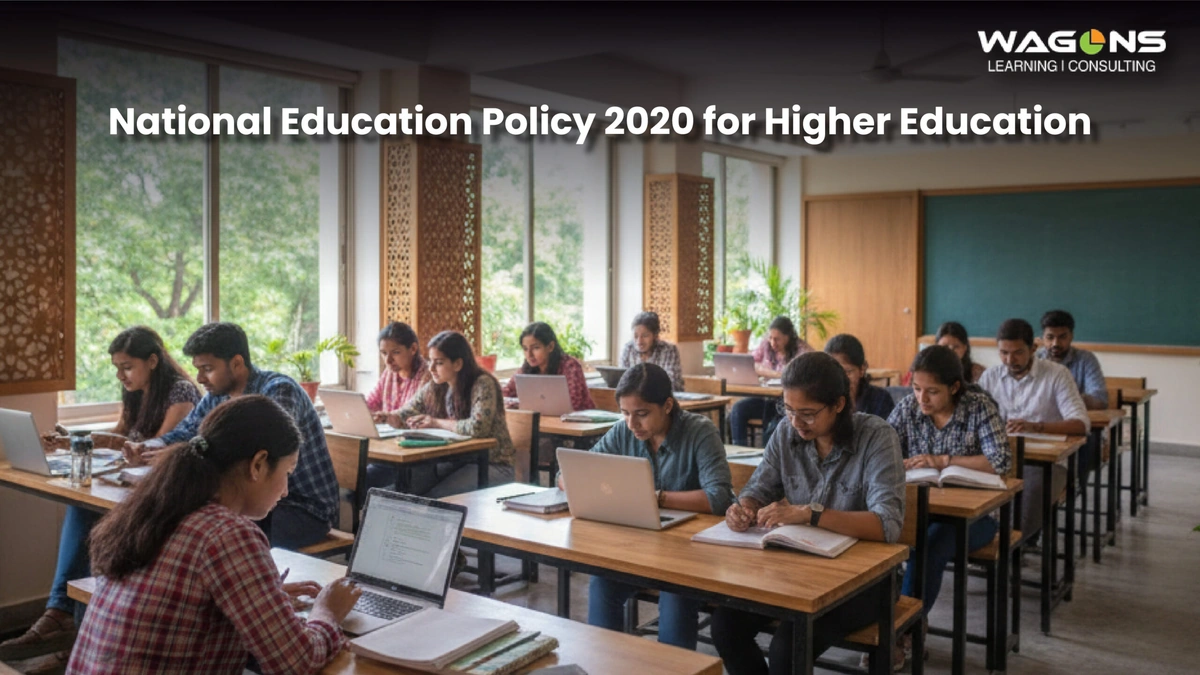
Forget stuffy presentations and endless panel discussions (though there’s some of that, I won’t lie). The real value of these conferences lies in the collision of ideas. Think of it as a pressure cooker where the best minds in Indian higher education – vice-chancellors, professors, policymakers, and even student representatives – come together to grapple with the challenges and opportunities facing the sector. These aren’t just academic exercises; they are crucial for navigating India’s unique context. As India strives to become a global knowledge superpower, the quality and relevance of its higher education system are paramount.
Here’s why you should care:
- Policy Influence: Decisions made at these conferences often find their way into policy recommendations. The discussions and white papers influence government initiatives and funding priorities.
- Innovation Hubs: New teaching methodologies, curriculum reforms, and technological advancements are often showcased and debated here. Think of it as a sneak peek into the future of learning.
- Networking Opportunities: These conferences foster collaborations between institutions, leading to joint research projects, faculty exchanges, and resource sharing. This directly impacts the quality of education students receive.
- Addressing Systemic Issues: From access and equity to quality and relevance, these conferences provide a platform to address the critical issues plaguing Indian higher education.
What’s often missed is the intensity of these discussions. These are not echo chambers. The debates can be fierce, the disagreements sharp. But that’s precisely what makes them so valuable. The rigorous questioning and challenging of assumptions lead to more robust and effective solutions. Consider, for instance, the ongoing debate about the role of technology in education. Some argue that online learning is the great equalizer, providing access to quality education for all. Others caution against the digital divide and the potential for technology to exacerbate existing inequalities. These debates, often sparked at conferences, shape the way technology is integrated into the classroom.
Key Themes Emerging from Recent Conferences
Recent conferences have highlighted several key themes that are likely to shape the future of higher education in India. Let’s dive into a few. Firstly, skill-based education is becoming increasingly important. The focus is shifting from rote learning to developing practical skills that are relevant to the job market. Universities are partnering with industries to design curricula that meet the needs of employers. This is a welcome change, as it ensures that graduates are not just academically qualified but also employable. Secondly, interdisciplinary learning is gaining traction. The traditional silos between disciplines are breaking down, with students encouraged to explore subjects from multiple perspectives. This fosters creativity and critical thinking, essential skills for the 21st century. For example, some universities are offering joint degrees in engineering and humanities, or business and environmental science.
What fascinates me is the emphasis on research and innovation. India needs to become a global leader in research and development, and higher education institutions have a crucial role to play. Conferences are providing platforms to showcase cutting-edge research, promote collaboration between researchers, and encourage innovation in various fields. The government is also providing funding and support for research initiatives, recognizing its importance for economic growth and social development. Finally, internationalization of education is becoming a priority. Indian universities are forging partnerships with foreign institutions, offering joint programs, and encouraging student and faculty exchanges. This exposes students to global perspectives and enhances the quality of education. However, it’s crucial to ensure that internationalization doesn’t lead to the homogenization of education. India must retain its unique cultural identity and values while embracing global best practices. As per the guidelines mentioned in the information bulletin, it’s a delicate balance.
And here’s something I found particularly interesting at a recent event: a significant focus on improving faculty development programs. The quality of teaching is, after all, directly linked to the quality of educators. These programs are equipping teachers with the latest pedagogical techniques, assessment methods, and technology skills. They’re also promoting research and innovation among faculty members. Education accessibility is another important discussion point.
Addressing the Challenges | A Reality Check
Let’s not paint too rosy a picture. Indian higher education faces significant challenges. Access and equity remain major concerns. Millions of students, particularly from disadvantaged backgrounds, are still unable to access quality education. The digital divide exacerbates this problem, with many students lacking access to the internet and digital devices. While the government is implementing various initiatives to address these challenges, more needs to be done to ensure that education is accessible to all. The quality of education also varies widely across institutions. Many colleges and universities lack adequate infrastructure, qualified faculty, and relevant curricula. This leads to a large number of graduates who are unemployable.
Corruption and mismanagement are also persistent problems. These undermine the integrity of the system and erode public trust. Stricter regulations and accountability measures are needed to combat these issues. But, the discussions continue at these conferences, which is a good thing. What initially thought straightforward, I soon realized was a complex interplay of many components. According to the latest circular on the official UGC website ( https://www.ugc.ac.in/ ), things are being re-evaluated regularly. The conferences serve as a vital feedback loop, helping policymakers understand the impact of their decisions and make necessary adjustments.
And here’s something else: Funding is a perennial issue. While the government has increased its investment in education, it is still not enough to meet the growing needs of the sector. Private investment is also crucial, but it needs to be channeled in a way that benefits students and promotes quality education, and not just profits.
The Role of Technology | A Double-Edged Sword
Technology has the potential to revolutionize higher education in India, but it also poses significant challenges. Online learning, for example, can provide access to education for students in remote areas and those who cannot afford to attend traditional colleges. However, it also requires reliable internet access, digital literacy, and effective online teaching methodologies. Blended learning, which combines online and offline instruction, seems to be a promising approach, but it needs to be implemented carefully to ensure that it enhances the learning experience.
Artificial intelligence (AI) also has the potential to transform education. AI-powered tutoring systems can provide personalized learning experiences for students, adapting to their individual needs and learning styles. AI can also automate administrative tasks, freeing up teachers to focus on teaching. However, it’s crucial to ensure that AI is used ethically and responsibly. Data privacy and security must be protected, and AI algorithms must be free from bias. I see people get caught up in the excitement and forget the fundamentals. Ultimately, technology should be a tool to enhance human learning, not to replace it. Public policy education in India also effects the technology integration into higher education .
Looking Ahead | A Call to Action
The future of higher education in India depends on the collective efforts of all stakeholders. Educators, policymakers, students, and parents must work together to address the challenges and seize the opportunities. We need to foster a culture of innovation, collaboration, and excellence. Here’s the deal: we need to prioritize quality over quantity. It’s not enough to simply increase the number of colleges and universities. We need to ensure that these institutions provide high-quality education that prepares students for the challenges of the 21st century.
We need to empower students to become lifelong learners, critical thinkers, and responsible citizens. This requires a shift from rote learning to active learning, from teacher-centered instruction to student-centered learning. We need to equip students with the skills they need to succeed in a rapidly changing world. And we need to create a more equitable and inclusive higher education system, one that provides opportunities for all, regardless of their background or circumstances. The journey is long and arduous, but the destination is worth fighting for. India’s future depends on it.
FAQ
What if I want to attend one of these conferences?
Many conferences are open to educators, researchers, and even students. Check the websites of organizations like the UGC and AICTE for announcements.
How can I influence higher education policy?
Engage in discussions, write to policymakers, and participate in public forums. Your voice matters!
Are these conferences only for academics?
While academics are heavily involved, many conferences also include industry representatives, policymakers, and student leaders.
What are some specific skills being emphasized in higher education?
Critical thinking, problem-solving, communication, and collaboration are all highly valued.


Leave feedback about this