
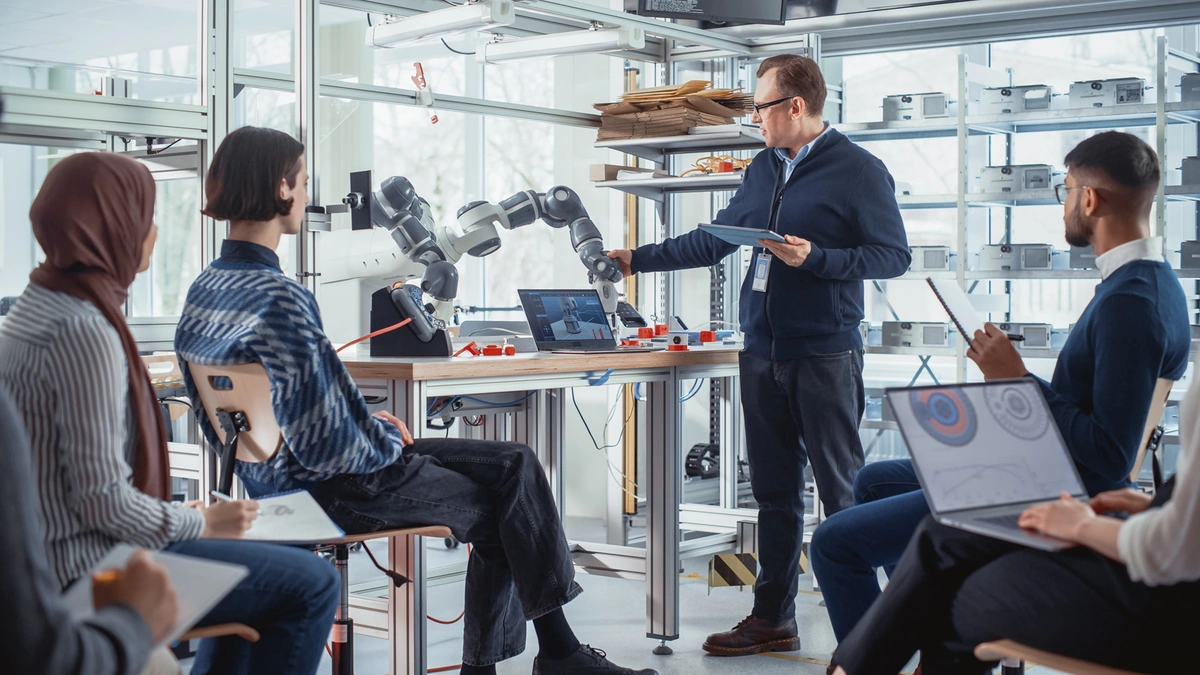
Engineering education in India. Let’s be honest, it’s a topic that sparks a lot of debate, and rightfully so. We’re talking about the bedrock upon which India’s deep-tech future will be built. Are we truly preparing our engineers for the challenges – and opportunities – that lie ahead? That’s what I’ve been pondering lately.
Here’s the thing: simply churning out graduates with degrees isn’t enough anymore. The world of tech is evolving at warp speed, and our engineering colleges need to keep pace. I’m not just talking about updating the syllabus; it’s about a fundamental shift in how we teach, how we learn, and how we connect with the real world. And that, my friend, requires a transformation that goes way beyond textbooks.
The Skills Gap | A Deep Dive

So, what’s the biggest hurdle? The skills gap, undoubtedly. We have brilliant minds in India, no question. But there’s often a disconnect between what’s taught in classrooms and what’s actually needed in the industry. Think about it. How many fresh graduates are truly ready to hit the ground running on day one? Not enough, I’d wager. A common issue I see is the lack of hands-on experience. Theoretical knowledge is crucial, of course, but without practical application, it’s like having a shiny new car with no fuel. Engineering education needs to prioritize real-world projects, internships, and industry collaborations. According to a recent report by Aspiring Minds, over 80% of Indian engineers are unemployable. Let that sink in.
Deep tech companies are hungry for engineers who can solve complex problems, innovate, and adapt quickly. This requires a blend of technical skills, critical thinking, and creativity. Soft skills, often overlooked, are equally important. Communication, teamwork, and problem-solving are essential for success in any engineering role. I initially thought that adding more coding courses will solve this problem, but then I realized that is the least important part. We need to build a culture of innovation.
Rethinking the Curriculum | A Modern Approach
Now, let’s talk about the curriculum. Is it still relevant? Is it preparing students for the future or just rehashing outdated concepts? Many argue that it’s the latter. The current curriculum often focuses on rote learning and memorization rather than critical thinking and problem-solving. It’s time to move away from this archaic approach and embrace a more modern, dynamic curriculum that is constantly evolving to meet the needs of the industry. Things like incorporating artificial intelligence , machine learning, and data science across various engineering disciplines are very important. As per the guidelines mentioned in the AICTE , colleges should offer these future ready subjects.
Here’s where things get really interesting. We need to integrate emerging technologies like quantum computing , blockchain, and the Internet of Things (IoT) into the curriculum. And not just as standalone courses, but as integral parts of the learning experience. Imagine students building real-world applications using these technologies, collaborating with industry experts, and solving real-world problems. That’s the kind of learning that will truly prepare them for the future. What fascinates me is that we have the potential to build a truly world-class engineering education system in India, one that is not just competitive but also innovative and impactful.
The Role of Technology | Embracing Digital Learning
Technology can be a powerful enabler of change. Online learning platforms, virtual labs, and simulation tools can provide students with access to a wealth of resources and opportunities that were previously unavailable. Think about it – students can now collaborate on projects with peers from all over the world, access lectures from renowned experts, and experiment with cutting-edge technologies from the comfort of their own homes. This is not to say that traditional classroom learning is obsolete, but rather that technology can complement and enhance the learning experience. The one thing you absolutely must double-check is that these online resources are of high-quality and are aligned with the curriculum.
And it’s not just about the tools themselves, but also how they’re used. I’m talking about interactive learning, personalized learning, and adaptive learning. Imagine a system that can tailor the learning experience to each student’s individual needs and learning style. A system that can identify areas where a student is struggling and provide targeted support. A system that can challenge students who are excelling and push them to reach their full potential. That’s the power of technology, and it’s something that we need to embrace in Indian engineering colleges .
Industry-Academia Collaboration | Bridging the Gap
This is where things get really interesting. The key to transforming engineering education lies in fostering closer collaboration between industry and academia. Engineering education shouldn’t exist in a vacuum. Instead, it needs to be closely aligned with the needs and demands of the industry. This requires a two-way street. Industries need to actively engage with universities, providing input on curriculum development, offering internships and mentorship programs, and sponsoring research projects. Universities, in turn, need to be more responsive to the needs of the industry, adapting their curriculum and teaching methods to prepare students for the challenges of the real world. Let me rephrase that for clarity: the current model is simply not working and we need to move to a co-creation model where the curriculum is not only updated but designed with industry input and oversight. Investing in the future is our priority.
A common mistake I see people make is not understanding the need of the hour. This could involve setting up joint research labs, inviting industry experts to deliver guest lectures, and organizing workshops and seminars on emerging technologies. The goal is to create a vibrant ecosystem where students, faculty, and industry professionals can interact, collaborate, and learn from each other. But, the ultimate goal is to make sure that students are job-ready. And this can only be achieved by the academia-industry collaborations .
Cultivating Innovation and Entrepreneurship
Engineering is not just about solving problems; it’s also about creating new solutions. It’s about innovation, creativity, and entrepreneurship. I am of the opinion that we need to instill these values in our students from day one. This means creating a culture of innovation within universities, encouraging students to think outside the box, and providing them with the resources and support they need to turn their ideas into reality. This could involve setting up innovation hubs, incubators, and accelerators on campus, providing seed funding for promising startups, and offering mentorship and guidance from experienced entrepreneurs. And it also means embracing failure as a learning opportunity. Not every idea will succeed, but every failure will teach valuable lessons. Universities should embrace a culture of learning from failures.
But, here’s the kicker: it’s not just about starting new companies. It’s also about fostering a spirit of intrapreneurship within existing companies. Encouraging engineers to come up with new ideas, to challenge the status quo, and to drive innovation from within. This requires a shift in mindset, both within companies and within universities. It requires a recognition that innovation is not just a buzzword, but a critical ingredient for success in today’s rapidly changing world. As technology continues to evolve, we will be able to see tremendous advancements in engineering .
Frequently Asked Questions (FAQs)
FAQ
What are the key skills that engineering graduates need for the deep-tech industry?
Technical proficiency, problem-solving, critical thinking, creativity, communication, and teamwork are vital.
How can the curriculum be modernized to meet industry demands?
Incorporate emerging technologies, focus on practical application, and promote continuous learning.
What role does technology play in transforming engineering education?
It provides access to resources, enhances learning experiences, and enables personalized learning.
How can industry and academia collaborate more effectively?
Joint research, internships, curriculum input, and mentorship programs are key.
What if I want to specialize in a niche area of deep-tech engineering?
Seek out specialized courses, online resources, and mentorship from experts in that field.
What if I am not able to get a good placement after graduation?
Focus on continuous learning, network with industry professionals and explore entrepreneurship.
So, what’s the bottom line? Transforming engineering education for India’s deep-tech future is not just a matter of updating the syllabus or adding a few new courses. It’s a fundamental shift in mindset, a recognition that the world is changing, and that we need to change with it. It’s about fostering a culture of innovation, embracing technology, and collaborating with industry to create a vibrant ecosystem where students, faculty, and industry professionals can learn, grow, and thrive together. It’s a challenge, no doubt, but it’s also an opportunity. An opportunity to build a world-class engineering education system in India, one that is not just competitive but also innovative, impactful, and transformative.



Leave feedback about this