

Okay, let’s be real. Are you ready for a shake-up? Because the education landscape is about to look drastically different. We’re not just talking about new textbooks or fancier gadgets in the classroom. The seismic shift? Soft skills are officially taking the lead. And if you’re in India, whether you’re a student, a parent, or an educator, this is information you absolutely need to process. This isn’t just some academic theory; it’s about your future, your children’s future, and the future of the Indian workforce.
For years, the emphasis has been on hard, technical skills. Coding, engineering, data analysis – the list goes on. But here’s the thing: technology evolves at warp speed. What’s cutting-edge today might be obsolete tomorrow. What remains constant, however, is the human element – our ability to communicate, collaborate, and adapt. So, let’s understand why.
The “Why” | Decoding the Skills of the Future
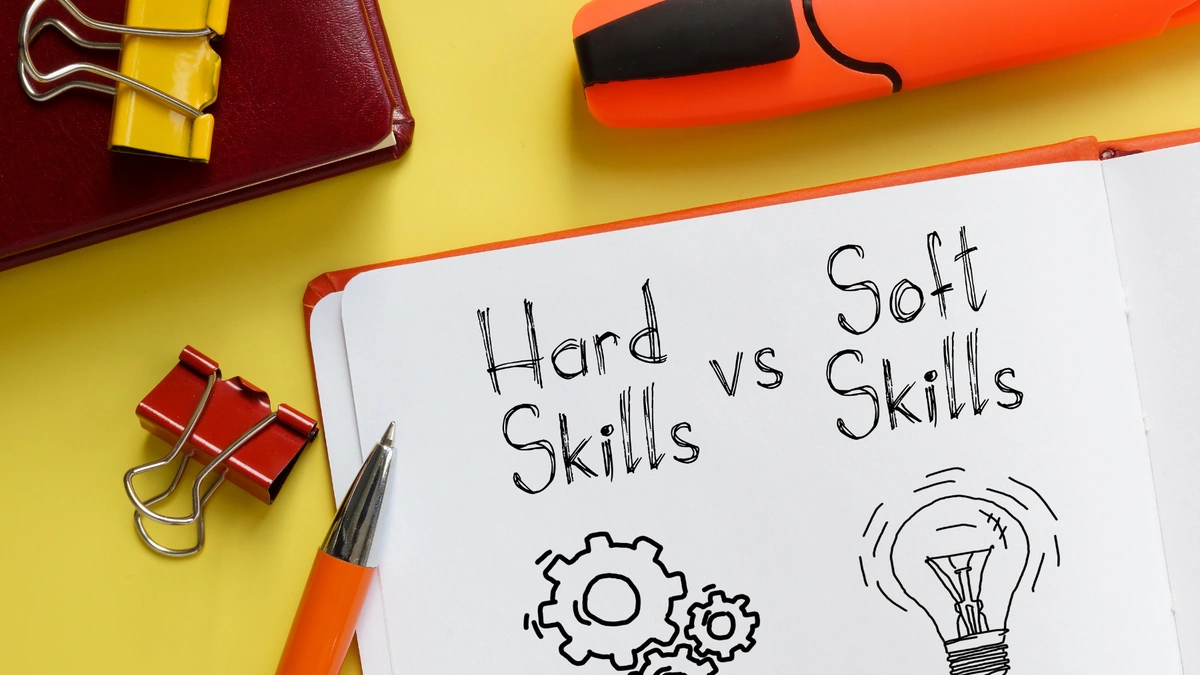
So, why are soft skills suddenly the superheroes of the 2025 education narrative? It’s not just a fad; it’s a response to a rapidly changing world. Think about it: automation and artificial intelligence are taking over routine tasks. What they can’t replicate are the uniquely human qualities that drive innovation and progress. That’s right! Here’s where the importance of soft skills come into play.
Let me rephrase that for clarity: technical skills are undeniably crucial, but they’re becoming commodities. The real value lies in how you apply those skills, how you interact with others, and how you solve complex problems in a dynamic environment. This shift mirrors insights from reports on theWorld Economic Forum, which consistently highlight the rising demand for skills like critical thinking, creativity, and emotional intelligence.
What fascinates me is how this trend is particularly relevant in India. We have a massive youth population, a burgeoning tech sector, and a unique cultural context. To truly harness our potential, we need to equip our students with not just technical prowess but also the interpersonal skills to thrive in a globalized world. A common mistake I see educators make is underestimating the power of integrating these skills into the curriculum from an early age.
Mastering the Core Soft Skills for 2025
Alright, so what exactly are these magical soft skills everyone’s talking about? It’s not just about being ‘nice’ or ‘friendly.’ We’re talking about a specific set of abilities that can be cultivated and honed. Here are a few key ones to focus on:
- Communication: This goes way beyond just speaking clearly. It’s about active listening, understanding nonverbal cues, and tailoring your message to different audiences. In a diverse country like India, this is paramount.
- Collaboration: Teamwork makes the dream work, right? But effective collaboration requires empathy, conflict resolution, and the ability to leverage diverse perspectives.
- Critical Thinking: This is the ability to analyze information objectively, identify biases, and form well-reasoned judgments. It’s about asking ‘why’ and ‘how’ instead of just accepting things at face value.
- Problem-Solving: This is about more than just finding solutions; it’s about defining the problem in the first place, brainstorming creative approaches, and implementing those solutions effectively.
- Emotional Intelligence: This is the ability to understand and manage your own emotions, as well as recognize and respond to the emotions of others. It’s about building relationships, fostering trust, and navigating complex social situations.
But, how do we cultivate these skills?
The “How”: Practical Strategies for Soft Skills Development
Okay, enough theory. Let’s get practical. How do we actually develop these soft skills in our students? The answer lies in a multi-pronged approach that integrates these skills into every aspect of the learning experience.
Here’s the thing: It starts with a shift in mindset. We need to move away from rote learning and towards experiential learning. That means more projects, more group work, more debates, and more real-world simulations.
For example, instead of just memorizing historical facts, students could participate in a mock trial, where they have to argue a case, present evidence, and cross-examine witnesses. This not only reinforces their understanding of history but also develops their communication, critical thinking, and problem-solving skills. You can visitWikipediato know more about the best practices of soft skill development.
Another key strategy is to incorporate more social and emotional learning (SEL) into the curriculum. SEL programs teach students how to manage their emotions, build relationships, and make responsible decisions. This can be done through activities like mindfulness exercises, role-playing scenarios, and group discussions. Also, consider integrating Karnataka Education Policy into the curriculum.
Addressing the Challenges in the Indian Context
Let’s be honest: implementing these changes won’t be easy. India faces unique challenges, such as large class sizes, limited resources, and a deeply ingrained culture of rote learning. But these challenges are not insurmountable.
One key solution is to invest in teacher training. Teachers need to be equipped with the skills and knowledge to effectively teach soft skills . This means providing them with professional development opportunities, resources, and ongoing support. Another solution is to leverage technology to create more engaging and interactive learning experiences. Online learning platforms, educational games, and virtual reality simulations can all be used to enhance skills development .
The Emotional Angle | Inspiring a Generation of Well-Rounded Leaders
That moment of realization when you understand that your future isn’t just about what you know, but also about who you are. That’s the feeling we need to instill in our students. This isn’t just about getting a job; it’s about becoming a well-rounded, adaptable, and empathetic human being. Soft skills are not just abilities; they are also personal attributes.
Let’s walk through this together, step-by-step, so you can get back to focusing on what really matters: shaping the next generation of leaders. This is an opportunity to create a generation of leaders who are not just technically skilled but also emotionally intelligent, collaborative, and compassionate. Leaders who can not only solve complex problems but also build strong relationships, inspire others, and create a better world. Also, integrating stablecoins will facilitate international payments .
I initially thought this was straightforward, but then I realized that it’s about a fundamental shift in how we view education. It’s about recognizing that the future of work demands more than just technical expertise; it demands human connection.
Soft Skills: The Competitive Edge for Indian Students
So, where does this leave Indian students in the global arena? Well-equipped. By focusing on soft skills , Indian students can gain a significant competitive advantage. They can become the problem-solvers, the innovators, and the collaborators that the world desperately needs. This isn’t just about individual success; it’s about the collective prosperity of India.
The one thing you absolutely must double-check is your commitment to continuous learning. The world is constantly evolving, and we need to be lifelong learners, constantly adapting and upgrading our skills. Remember, strong communication skills are the key.
FAQ Section
Frequently Asked Questions
What if I’m not naturally good at soft skills?
No one is born a perfect communicator or collaborator. These are skills that can be learned and developed over time with practice and effort.
How can parents support soft skills development at home?
Encourage open communication, provide opportunities for teamwork, and model good problem-solving skills.
Are soft skills only important for certain careers?
No, soft skills are essential for success in virtually every career, from technical fields to creative industries.
What resources are available to help me improve my soft skills?
There are numerous online courses, workshops, and books available to help you develop your soft skills . Look for resources that focus on practical exercises and real-world scenarios.
How do soft skills relate to emotional intelligence?
Emotional intelligence is a key component of soft skills , as it involves understanding and managing your own emotions and the emotions of others.
Why is adaptability an important soft skill?
Adaptability allows you to quickly adjust to changing circumstances, embrace new challenges, and thrive in dynamic environments, all vital in today’s world.
And finally, as we look ahead to 2025 and beyond, one thing is clear: soft skills will be the defining factor in success. Let’s embrace this shift and empower our students to become the well-rounded, adaptable, and empathetic leaders that India needs to thrive in the 21st century. It’s not just about preparing them for a job; it’s about preparing them for life.


Leave feedback about this