
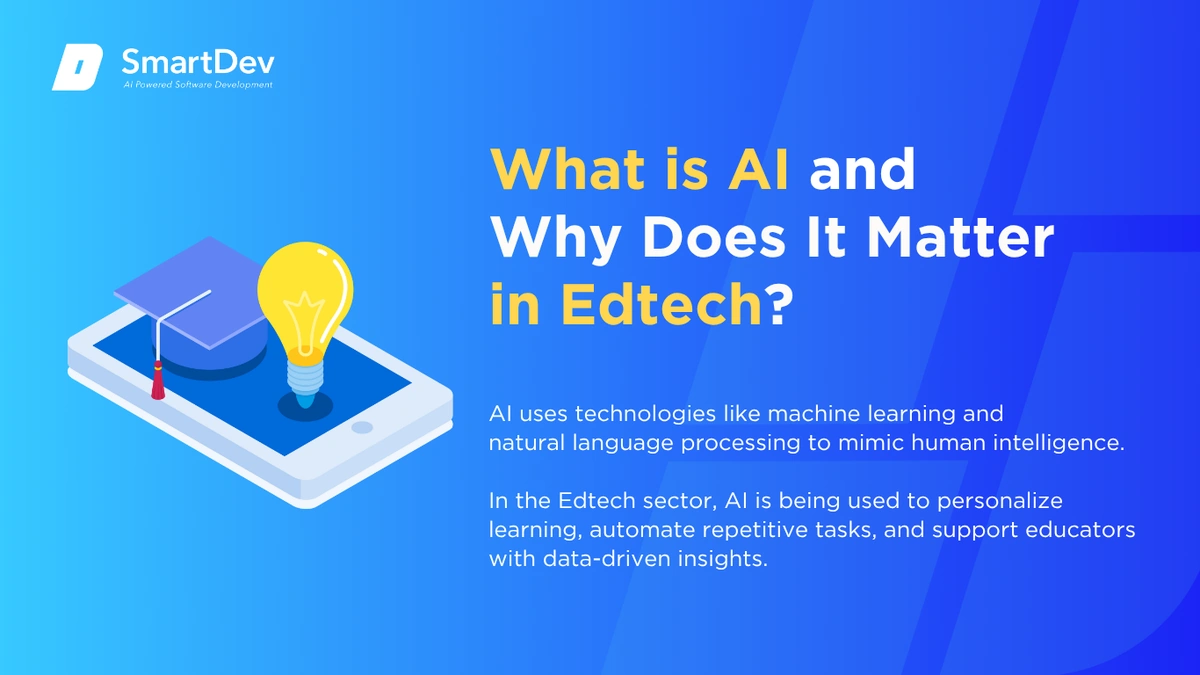
So, Telangana’s about to shake things up in education, huh? The draft education policy is buzzing with talk about edtech and digital innovation. But here’s the thing it’s not just about slapping tablets into classrooms. It’s about fundamentally rethinking how kids learn and how teachers teach. Let’s dive in, because this could be a glimpse of the future of education in India.
Why This Policy Matters – More Than Just Tech
I initially thought this was just another headline about tech adoption. But then I realized this policy signals something much bigger. It’s about addressing the massive learning gaps that plague our education system. Let’s be honest, rote learning and outdated curricula are doing a disservice to our kids.
This draft policy, from what I gather, aims to infuse digital literacy at all levels. And that’s a good thing. It is not just about knowing how to use a computer; it is also about the ability to critically evaluate information online, collaborate effectively, and create digital content. This shift, though ambitious, is crucial for preparing students for the 21st-century workforce. Imagine students not just passively consuming information, but actively creating, collaborating, and problem-solving using technology.
But, it’s not just about the tech itself. It’s about how it’s implemented. A critical piece will be teacher training. Because if teachers aren’t comfortable and confident using these new tools, the policy will fall flat. According to recent reports, teacher training programs need significant overhauling to effectively integrate technology in education . Let’s be optimistic, though. With the right support, our teachers can become facilitators of digital learning, guiding students through a world of information.
How Telangana Plans to Integrate Edtech (The Nitty-Gritty)
Okay, so we know why this policy matters. But how exactly is Telangana planning to pull this off? That’s the million-dollar question, right? From what I understand, the policy focuses on a multi-pronged approach:
- Infrastructure Upgrades: Equipping schools with computers, internet connectivity , and interactive whiteboards.
- Digital Content Development: Creating localized, high-quality digital learning resources that align with the state curriculum.
- Teacher Training Programs: Providing ongoing professional development for teachers to effectively use educational technology.
- Public-Private Partnerships: Collaborating with edtech companies to bring innovative solutions to the classroom.
The devil, as always, is in the details. The success of this policy will depend on the execution. It’s not enough to just throw money at the problem. There needs to be a clear plan, measurable goals, and continuous monitoring to ensure that the policy is actually making a difference in students’ lives. And that the infrastructure is available for everyone.
A common mistake I see with these kinds of initiatives is lack of follow through. Ensuring that technology access is equitable across different socio-economic backgrounds will also be crucial. The aim is that no child is left behind.
The Potential Pitfalls (And How to Avoid Them)
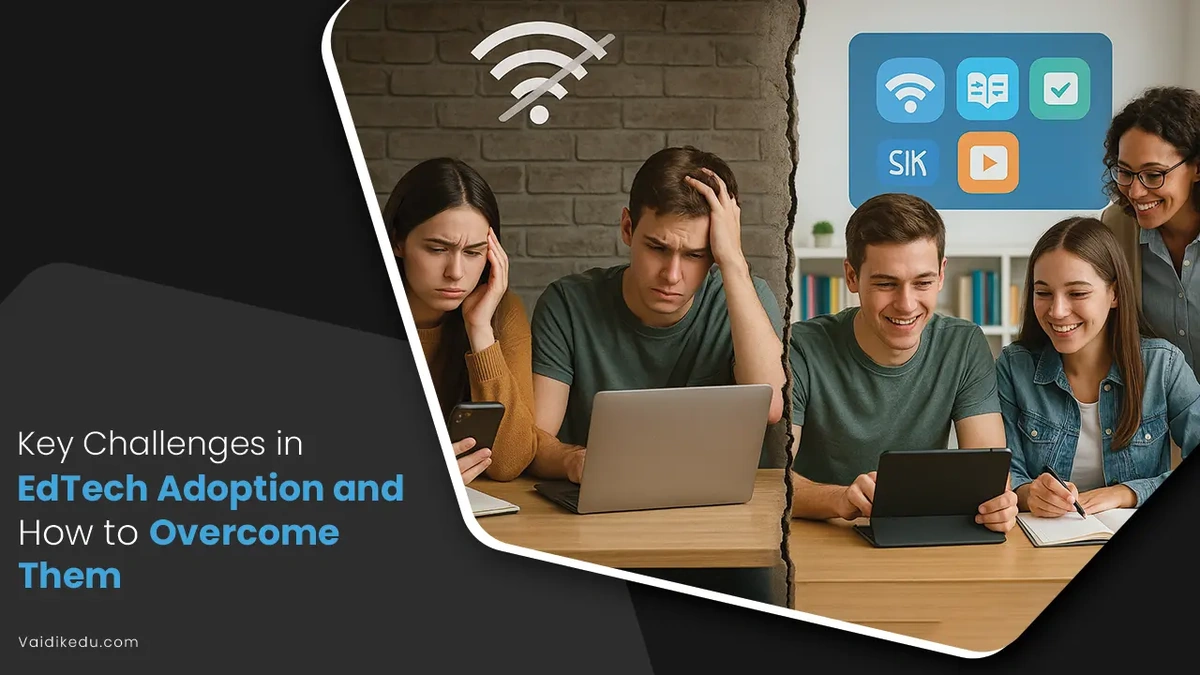
Let’s be realistic. There are challenges ahead. One of the biggest is the digital divide. Not every student has access to a computer or the internet at home. This could create an uneven playing field, where some students benefit more from online learning platforms than others.
Another potential pitfall is the over-reliance on technology. It is easy to get caught up in the hype and forget that technology is just a tool. The most important thing is the quality of the teaching and the learning experience. We need to avoid a situation where technology becomes a distraction, rather than an enabler, like this previous shift in education policy.
To avoid these pitfalls, Telangana needs to focus on:
- Bridging the Digital Divide: Providing access to technology for all students, regardless of their background.
- Prioritizing Teacher Training: Equipping teachers with the skills and knowledge they need to use technology effectively.
- Focusing on Learning Outcomes: Ensuring that technology is used to improve student learning, not just to replace traditional teaching methods.
The Role of Edtech Companies in This Transformation
Edtech companies have a crucial role to play in Telangana’s education revolution. They can bring in cutting-edge technology, innovative teaching methods, and personalized learning experiences. But, and this is a big but, it is important to ensure that these partnerships are aligned with the state’s goals and priorities.
We need to avoid a situation where edtech firms are simply pushing their products without considering the needs of the students and teachers. The focus should be on collaboration, not exploitation.Edtech solutionsshould be tailored to the specific needs of Telangana’s students, taking into account their cultural context and learning styles. Partnerships should include clear metrics for success and accountability measures to ensure that online educational resources are genuinely benefiting students.
Remember that moment of panic when you cannot find what you are looking for online? Then, suddenly, there it is.
Final Thoughts | A Glimpse into the Future of Education
Telangana’s education policy draft is more than just a set of guidelines; it’s a statement of intent. It’s a bold vision for the future of education in India, one that embraces technology and innovation to empower students and transform learning. If implemented effectively, this policy could serve as a model for other states to follow. Like recent shifts in coaching in India. It’s not just about Telangana; it’s about the future of education in India.
The key is to strike a balance between technology and human interaction. Technology should be used to enhance, not replace, the role of the teacher. The focus should be on creating a blended learning environment that combines the best of both worlds. The ability to adapt and learn from new technologies is extremely important.
This shift will enable students to thrive in a rapidly changing world. The real innovation is not just in the technology, but in the way it is used to empower students and transform lives.
FAQ Section
Will this policy mean more screen time for kids?
Potentially, yes, but the goal is to make that screen time meaningful and educational, not just passive consumption. The focus is on using technology to create engaging and interactive learning experiences.
What if I don’t have a computer at home?
The policy aims to address the digital divide by providing access to technology in schools and community centers. There should be resources available to all students, regardless of their background.
How will teachers be trained to use this new technology?
Teacher training is a crucial component of the policy. The government will invest in providing ongoing professional development for teachers to effectively use technology in the classroom.
What about the cost of all this technology?
The government is exploring various funding models, including public-private partnerships, to ensure the policy is sustainable and affordable. The exact cost breakdown is still being finalized.
Will this policy really make a difference in student outcomes?
That’s the hope! The policy is designed to improve student engagement, learning outcomes, and prepare them for the 21st-century workforce. But success will depend on effective implementation and continuous monitoring.



Leave feedback about this