
Let’s be honest, when you hear ” information security education ,” your eyes might glaze over. But here’s the thing: in today’s digital world, understanding how to protect your data is as important as knowing how to cook or drive. Think of it as digital self-defense. And that’s why I’m not just going to throw facts at you. Instead, we’re going to break down why this stuff matters to you, a person living and working in India, navigating a world increasingly online.
Why Information Security Education Matters – Now More Than Ever

So, why is information security education suddenly such a big deal? Well, think about it. How much of your life is online? Your banking, your shopping, your work, even connecting with family – it’s all happening in the digital realm. And that makes you a target. As India’s digital footprint expands, so do the opportunities for cybercriminals. Education and awareness become our first line of defense.
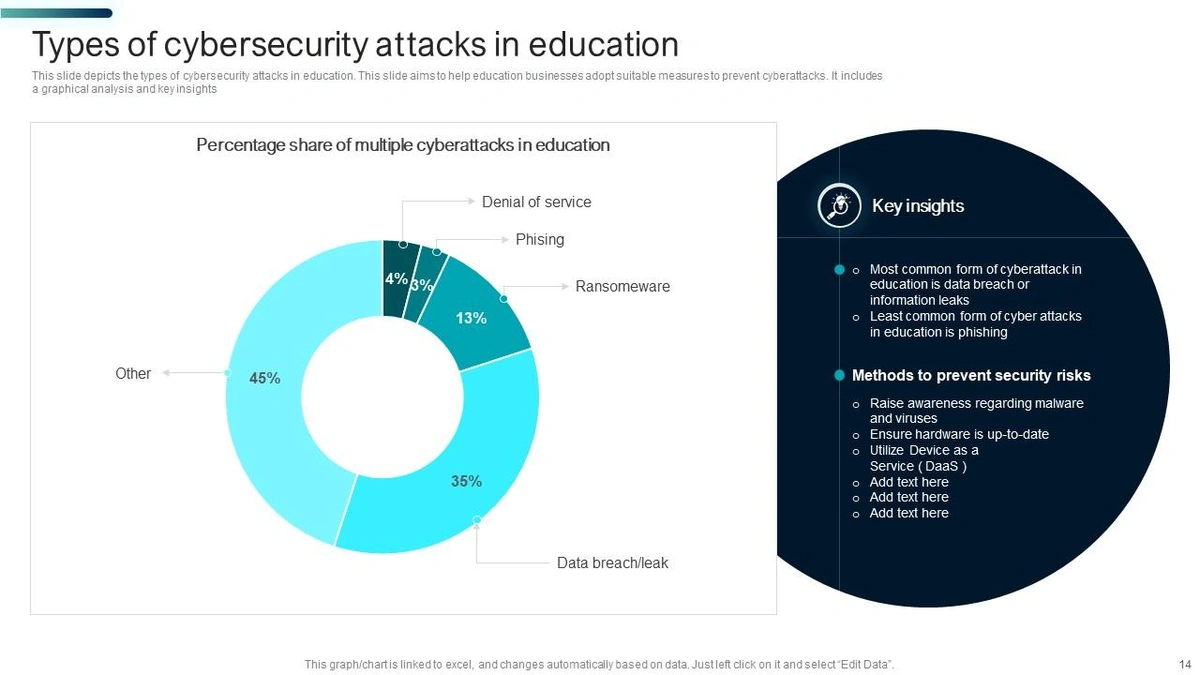
We are at high risk of data breaches, phishing scams that are incredibly sophisticated and can trick even the most tech-savvy person, and malware attacks that can cripple your devices and steal your information. And let’s not forget the rise of ransomware, where your data is held hostage until you pay a ransom. Scary stuff, right?
What fascinates me is that many people think, “It won’t happen to me.” That’s exactly what the bad guys are counting on. According to a recent report by CERT-In (the Indian Computer Emergency Response Team), cyber incidents in India are on the rise. We’re talking about a significant jump in reported cases, highlighting the urgent need for widespread cyber security awareness . Cyber security awareness is not something you can ignore in the era of technological advancement.
Project Goals | What Are We Trying to Achieve?
The goal of any good information security education program is multifaceted. It’s not just about memorizing passwords (though that’s important!). It’s about cultivating a security-conscious mindset. Let me rephrase that for clarity: it’s about making security second nature, something you think about automatically. It’s about protecting your personal data and ensuring that your privacy is secured. It’s also about safeguarding your professional life and knowing how to keep your company’s data secure.
Key project goals usually include:
- Reducing the risk of successful cyberattacks.
- Protecting sensitive data.
- Complying with relevant regulations and laws (like India’s IT Act).
- Building a culture of security within organizations.
- Empowering individuals to make safe choices online.
I initially thought this was straightforward, but then I realized that a crucial, and often overlooked, goal is to bridge the digital divide. Many people in India are new to the internet, and they may not have the same level of awareness as those who have been online for years. Effective cyber security measures need to be accessible and understandable for everyone, regardless of their technical skills. Effective cyber security measures should be followed to tackle the challenges of cyber threats.
Key Information | What Do You Need to Know?
Okay, so what are the core pieces of information you need to have? Let’s break it down into bite-sized chunks:
- Password Security: This is the bedrock. Use strong, unique passwords for every account. Don’t reuse passwords, and consider using a password manager.
- Phishing Awareness: Learn to spot phishing emails, messages, and calls. Don’t click on suspicious links or provide personal information to unknown sources. Always double-check the sender’s address and look for red flags like poor grammar or urgent requests.
- Malware Protection: Install and keep updated antivirus software on all your devices. Be cautious about downloading files or clicking on links from untrusted sources.
- Social Engineering: Understand how social engineers manipulate people into giving up information. Be wary of requests that seem too good to be true or that pressure you into acting quickly.
- Data Privacy: Be mindful of the information you share online. Review your privacy settings on social media and other platforms. Be careful about what you post, as it can be used against you.
I’ve seen it all. A common mistake I see people make is thinking that only large corporations are targeted. Small businesses and individuals are just as vulnerable. It’s important to implement best cyber safety practices in professional and personal settings. Cyber criminals frequently target small and medium-sized businesses due to their lax approach towards online security.
Recent Updates | Staying Ahead of the Curve
The world of information security education is constantly evolving. New threats emerge all the time, so it’s important to stay up-to-date on the latest trends and best practices. Keep in mind that the digital space is always changing so it is important to stay informed.
One major update is the increasing focus on mobile security. With more and more people using smartphones and tablets for everything from banking to shopping, mobile devices have become a prime target for cybercriminals. Make sure you have security software installed on your mobile devices and be cautious about downloading apps from unknown sources.
Another trend is the rise of artificial intelligence (AI) in cybersecurity. AI is being used to detect and prevent cyberattacks, but it’s also being used by cybercriminals to create more sophisticated attacks. This is a cat-and-mouse game that’s likely to continue for the foreseeable future. Staying informed about these advancements helps maintain a comprehensive understanding of cyber security.
Taking Action | What Can You Do Right Now?
Okay, so you’re convinced that information security education is important. What can you actually do about it? Here are a few concrete steps you can take right now:
- Assess Your Risk: Take a moment to think about your online habits and identify any potential vulnerabilities. What are you most concerned about? What steps can you take to reduce your risk?
- Get Educated: There are tons of free resources available online. Check out the websites of CERT-In, NASSCOM, and other cybersecurity organizations. Consider taking an online course or attending a workshop.
- Implement Security Measures: Install antivirus software, use strong passwords, and enable two-factor authentication on all your accounts.
- Spread the Word: Share your knowledge with your friends, family, and colleagues. The more people who are aware of the risks, the safer we all are.
And remember, building a secure environment is not a one-time task; it’s an ongoing process. Stay vigilant, stay informed, and stay safe!
FAQ Section
Frequently Asked Questions
What if I forgot my password?
Most websites and apps have a “Forgot Password” option. Use it! But make sure the recovery email address is secure.
How can I identify a phishing email?
Look for poor grammar, urgent requests, and mismatched sender addresses. If in doubt, contact the sender directly through a known channel.
Is free antivirus software good enough?
It’s better than nothing, but paid software usually offers more comprehensive protection. Evaluate your needs and choose accordingly.
What should I do if I think I’ve been hacked?
Change your passwords immediately, notify your bank and other relevant institutions, and run a full system scan with your antivirus software.
How often should I update my passwords?
Ideally, every 3-6 months. But at the very least, update them if you suspect a breach or if you haven’t changed them in over a year.
So, there you have it. Information security education and awareness aren’t just buzzwords; they’re essential skills for navigating the modern world. By understanding the risks and taking proactive steps to protect yourself, you can stay safe online and enjoy all the benefits of the digital age. It’s about being smart, being vigilant, and being prepared. And that’s something we can all do.



Leave feedback about this