
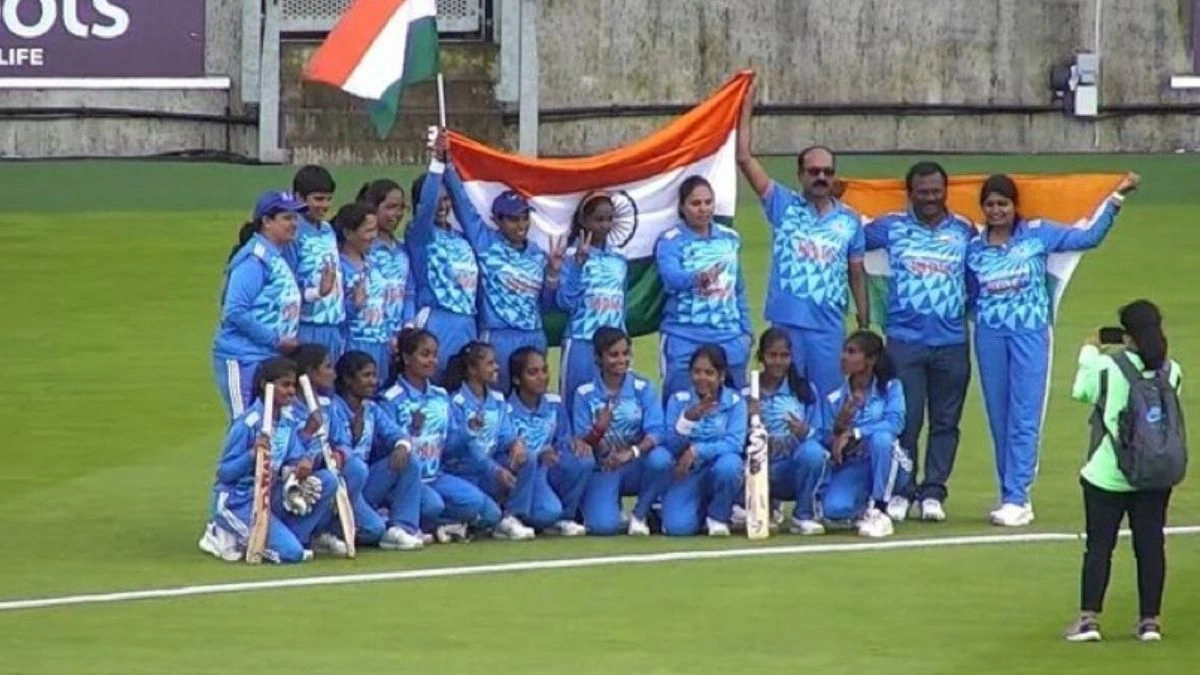
Let’s be honest – when you hear “World Cup,” your mind probably jumps to Virat Kohli smashing sixes. But what about the Blind Cricket World Cup? It’s easy to overlook, isn’t it? But here’s the thing: this tournament is about so much more than just cricket. It’s a testament to human resilience, a celebration of inclusivity, and a powerful reminder that limitations are often self-imposed. I initially thought it was just another sporting event, but then I realized the profound impact it has on individuals and communities.
The “Why”: More Than Just a Game
The Blind Cricket World Cup isn’t just about winning trophies; it’s about shattering stereotypes. Think about the challenges these athletes face every single day. Navigating a world designed for sighted people, facing societal biases, and overcoming personal doubts. Yet, they step onto the field with unwavering determination, showcasing incredible skill and teamwork. What fascinates me is the level of adaptability and innovation displayed – specialized techniques, auditory cues, and heightened senses all come into play. And the impact extends far beyond the boundary ropes; it’s about inspiring countless others to pursue their dreams, regardless of their circumstances.
The tournament also highlights the crucial role of organizations like the Cricket Association for the Blind in India (CABI), who work tirelessly to promote and develop blind cricket across the country. Their efforts provide opportunities, resources, and a platform for these athletes to shine. According to CABI, blind cricket has reached over 25 states in India, empowering thousands of visually impaired individuals. But, there is still need to raise awareness to blind cricket and get support from well-wishers. We must also show support for Indian Women Blind Cricket World Cup .
How Blind Cricket Works: A Guide to the Game
Okay, so how does blind cricket actually work? It’s not just regular cricket played in the dark! The game is adapted to accommodate varying degrees of visual impairment. There are three categories: B1 (totally blind), B2 (partially sighted), and B3 (partially sighted). Each team must have a certain number of players from each category. The ball is made of plastic and filled with ball bearings, creating a rattling sound that allows players to track its movement. Batsmen rely on auditory cues to time their shots, and fielders use the sound of the ball to locate and retrieve it. A common mistake I see people make is assuming that these adaptations make the game easier – it’s quite the opposite! It requires immense concentration, coordination, and trust.
The rules are modified to create a level playing field. For example, a B1 player’s delivery must bounce at least twice before reaching the batsman, whereas a B3 player’s delivery needs to bounce only once. These nuances create a dynamic and strategic game that is both thrilling and inspiring to watch. What’s more, sighted umpires use verbal signals and tactile cues to communicate with players, ensuring fair play and clear understanding.
The Emotional Angle: Dreams Beyond Sight
Imagine the sheer joy and pride of representing your country on the world stage, despite facing significant challenges. For these athletes, the Blind Cricket World Cup is more than just a tournament; it’s a symbol of hope, a validation of their abilities, and an opportunity to inspire others. The stories of individual players are incredibly moving – tales of overcoming adversity, defying expectations, and pursuing their passion with unwavering commitment. Let me rephrase that for clarity: they are rewriting the narrative of what’s possible.
Take Shekhar Naik, for example, the former captain of the Indian blind cricket team. He led the team to victory in two World Cups and a T20 World Cup. His story, from a small village to international stardom, is a testament to the power of perseverance and self-belief. And he’s just one example of the many unsung heroes who are changing perceptions and inspiring a generation. What fascinates me is how these athletes transform challenges into opportunities.
LSI Keywords and Their Natural Integration
The Blind Cricket World Cup is not just a sporting event; it’s a global movement promoting disability sports and inclusive cricket. It’s an opportunity to witness exceptional blind athletes in action, showcasing their skills in a unique cricket format. This tournament attracts players and fans from various nations, fostering a sense of unity and camaraderie. You’ll be amazed by the incredible talent on display at the cricket tournament for the blind, as these athletes compete for the coveted title. Whether you’re a seasoned cricket fan or new to the sport, the blind cricket competition is sure to captivate and inspire.
The impact of the Blind Cricket World Cup extends far beyond the cricket field. It challenges societal perceptions of disability and demonstrates the power of sports to break down barriers. By providing a platform for blind cricketers to showcase their abilities, the tournament raises awareness about the importance of inclusion and accessibility. Let’s work towards a world where everyone has the opportunity to pursue their passions, regardless of their visual impairment. Supporting visually impaired athletes is not just an act of kindness, but a step towards a more equitable and inclusive society.
The Future of Blind Cricket: A Call to Action
What’s next for blind cricket? The future looks bright, but continued support and investment are crucial. We need to raise awareness, increase funding, and create more opportunities for visually impaired athletes to participate in the sport. This includes providing access to quality coaching, equipment, and facilities. But, it also means challenging societal biases and creating a more inclusive environment where everyone feels valued and respected.
What I think – We have to make a difference in the lives of these extraordinary people by showcasing their talents and giving them the respect that they deserve. This is only possible if we come forward and raise funds to provide them with required facilities to play Blind Cricket at various levels. If that can be achieved, India may become one of the most progressive countries in terms of sports.
FAQ: Your Questions About the Blind Cricket World Cup Answered
How can I get involved in supporting blind cricket?
You can donate to organizations like the Cricket Association for the Blind in India (CABI), volunteer your time, or simply spread awareness about the sport.
What are the different categories of players in blind cricket?
Players are classified into three categories: B1 (totally blind), B2 (partially sighted), and B3 (partially sighted).
How is the ball different in blind cricket?
The ball is made of plastic and filled with ball bearings to create a rattling sound, allowing players to track its movement.
Where can I find information of upcoming cricket matches ?
You can visit the official website of CABI to find the information regarding upcoming matches of Blind Cricket World Cup.
What if I want to play differently abled cricket ?
Visit the office of CABI. They will guide you regarding enrollment, coaching and other details.
The Blind Cricket World Cup is a testament to the indomitable spirit of the human spirit. The level of sportsmanship is unparalleled. It’s a reminder that limitations are often self-imposed, and that with determination and support, anything is possible. So, the next time you hear about the Blind Cricket World Cup, remember that it’s about so much more than just a game. It’s about creating a more inclusive and equitable world for everyone.
Leave feedback about this