
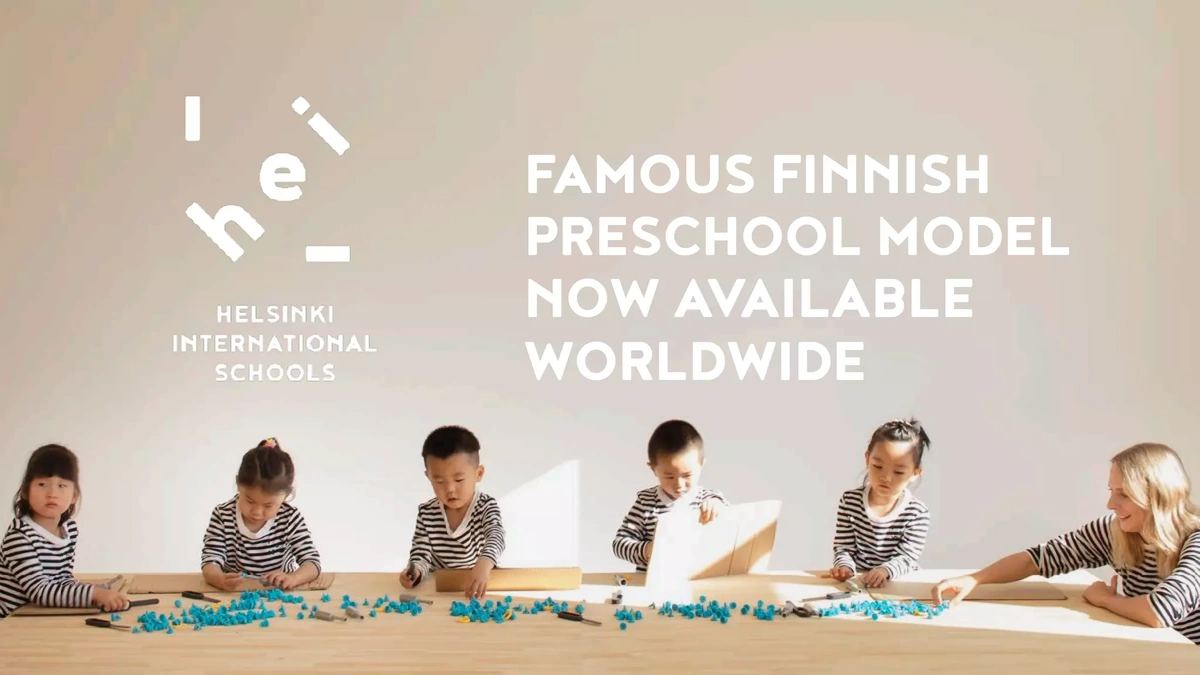
Imagine a classroom where kids aren’t just memorizing facts, but genuinely excited about learning. Where playtime is just as important as textbooks, and teachers are more like guides than lecturers. Sounds like a dream, right? Well, Andhra Pradesh is about to take a giant leap toward making that dream a reality! The A.P. Education System is set to adopt globally recognized Finnish education models , and honestly, this is a game-changer for students in the state and perhaps a blueprint for others to follow.
But, what exactly does this mean for parents, teachers, and most importantly, the kids? Let’s dive in and explore the ‘why’ behind this exciting development.
Why Finnish Education is the Gold Standard

So, why is everyone so obsessed with Finnish educational system ? It’s not just hype. Finland consistently ranks at the top in global education rankings, like PISA (Programme for International Student Assessment). Their secret? It’s not about rigorous testing or cramming information. It’s about creating a learning environment that fosters curiosity, creativity, and well-being.
Here’s the thing: the Finnish system emphasizes play-based learning in early childhood, minimal standardized testing, a broad and balanced curriculum, and highly trained, respected teachers. They focus on holistic development social, emotional, and cognitive. Sounds revolutionary, doesn’t it? I initially thought it was just about skipping tests, but it’s so much more. It’s about creating well-rounded individuals, not just exam-passing robots.
And here’s why this matters in India. We often see our children burdened with immense pressure to perform. The Finnish model provides an alternative an opportunity to foster a love for learning and develop critical thinking skills, which are essential for success in the 21st century. It addresses the common problem of rote learning, encouraging conceptual understanding instead. But, let’s be honest, adapting such a system to the Indian context will come with its own set of challenges. More on that later.
What Will the A.P. Education System Look Like?
Okay, so Andhra Pradesh is adopting the Finnish model. What does that actually look like on the ground? While specific details are still emerging, we can expect to see some significant shifts in how education is delivered. Expect to see changes to teacher training programs , potentially incorporating Finnish pedagogical methods. These methods emphasize student-centered learning, collaboration, and critical thinking.
Another important aspect will be changes to the curriculum. A move away from rote learning is expected with the integration of more practical and experiential learning opportunities. This might include project-based learning, hands-on activities, and real-world applications of knowledge. For example, instead of just reading about photosynthesis, students might grow their own plants and conduct experiments.
Furthermore, expect a greater emphasis on student well-being. This includes creating a more supportive and inclusive classroom environment, promoting mental health, and reducing stress. There might be increased opportunities for physical activity, creative expression, and social interaction. As per the Finnish education system, learning is not a sprint; it’s a marathon. As part of comprehensive school reform , there is also a need to focus on the overall growth of the student.
Challenges and Opportunities in Implementation
Now, here’s where things get interesting. Implementing the Finnish model in A.P. isn’t going to be a walk in the park. India has a vastly different context larger class sizes, diverse student populations, and varying levels of resources. One of the biggest hurdles will be adapting the Finnish pedagogical approaches to suit the Indian classroom.
Teacher training will be absolutely crucial. Teachers need to be equipped with the skills and knowledge to implement student-centered learning strategies effectively. This requires a significant investment in professional development and ongoing support. What fascinates me is how teachers will adjust from being lecturers to more of guides and facilitators.
Another challenge is infrastructure. Finnish classrooms are designed to be flexible and adaptable, with ample space for group work and hands-on activities. Many Indian schools lack these facilities. Adapting existing infrastructure or investing in new resources will be necessary.
But let’s not focus solely on the challenges. This is also a massive opportunity. By embracing the core principles of the Finnish model student-centered learning, holistic development, and teacher empowerment A.P. can create a truly transformative education system. What is equally important to consider is academic freedom.
The Role of Parents and the Community
This isn’t just about what happens in the classroom. Parents and the wider community play a crucial role in supporting this transformation. Parents need to be informed about the changes and understand the benefits of the Finnish model. Open communication between schools and parents is essential. This will provide the latest educational standards in A.P.
Community involvement can also enrich the learning experience. Local businesses, organizations, and individuals can offer expertise, resources, and mentorship opportunities for students. Imagine students learning about agriculture from local farmers or coding from tech entrepreneurs.
The key is to create a collaborative ecosystem where everyone is working together to support student success. A common mistake I see people make is thinking that education is solely the responsibility of the school. It’s a shared responsibility.
Long-Term Impact and the Future of Education
So, what’s the big picture here? What will be the long-term impact of A.P. adopting the Finnish education model? The hope is that it will lead to a more engaged, motivated, and successful generation of students. Students who are not just good at taking exams, but also creative, critical thinkers who are prepared to tackle the challenges of the future. International collaborations in education should focus on bettering the future of students.
But beyond A.P., this could serve as a model for other states in India. If successful, it could spark a nationwide shift towards a more holistic and student-centered approach to education. And that, my friends, would be truly revolutionary. I initially thought this was just about improving test scores, but now I see it as a potential paradigm shift in how we approach education in India. As things develop it will be good to see the results of the national education policy .
FAQ Section
Frequently Asked Questions
Will there still be exams?
While the emphasis will shift away from standardized testing, assessments will still be a part of the learning process. However, they will be more focused on evaluating understanding and application of knowledge rather than rote memorization.
How will this affect the school curriculum?
The curriculum will likely be revised to incorporate more practical, experiential, and project-based learning activities. There will be a greater emphasis on developing critical thinking, problem-solving, and creativity.
What if my child struggles with the new approach?
Teachers will be trained to provide individualized support to students who need it. The focus will be on creating a supportive and inclusive learning environment where all students can thrive.
How can I, as a parent, support my child’s learning at home?
Engage with your child’s learning by asking them about what they are learning in school, encouraging them to pursue their interests, and providing a supportive and stimulating home environment. Read books together. Encourage curiosity.
This move by the A.P. Education System isn’t just about copying a foreign model. It’s about recognizing the need for change, embracing innovation, and putting the well-being and development of students at the heart of education. And that’s something worth getting excited about.



Leave feedback about this