
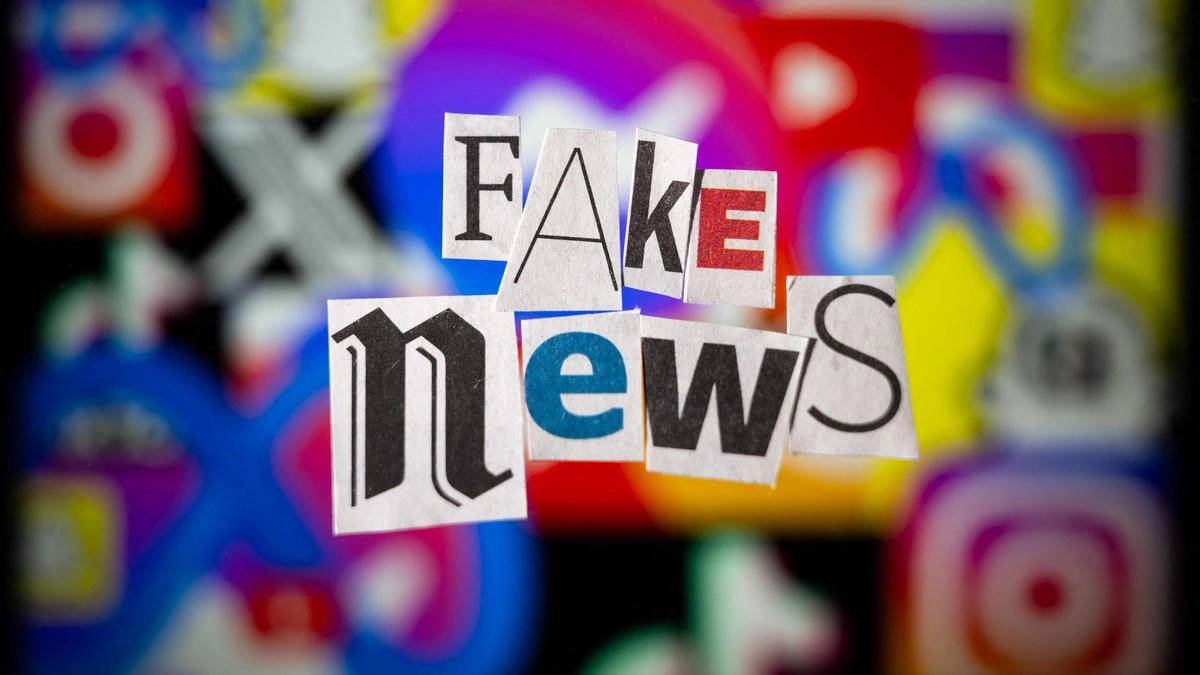
Here’s the thing: We live in a world swimming in information. Some of it’s gold, some of it’s…well, let’s just say it’s not. Figuring out what’s what? That’s the new literacy. And it looks like schools in England are taking note. News is breaking that the English school curriculum is set to include formal lessons on identifying and understanding fake news. Let’s dive into why this is so important, especially for our kids growing up in India, who will be the most connected generation ever.
Why Now? The Rise of Misinformation and Its Impact

So, why this sudden focus on fake news? It’s not exactly a brand-new problem, is it? The truth is the game has changed. Thanks to social media, misinformation spreads faster than ever. It’s not just about gullible aunties sharing forwarded messages (though, let’s be honest, that’s part of it!). It’s about sophisticated campaigns designed to manipulate public opinion, influence elections, and even incite violence. The sheer volume of information, coupled with our tendency to believe what confirms our biases, creates a perfect storm for online disinformation.
Think about it from an Indian perspective. We’re a nation with incredible diversity, a vibrant democracy, and, yes, our own set of challenges. Misinformation can fuel social tensions, undermine trust in institutions, and even impact our economic growth. Equipping our youth with the tools to critically evaluate information isn’t just a nice-to-have; it’s essential for a healthy and informed society. These lessons will help to combat the spread of false information online.
What Will These Lessons Actually Look Like?
Okay, so lessons on fake news sound good in theory, but what will students actually be learning? I initially thought it was straightforward – spotting dodgy websites and silly memes. But it goes way deeper. Expect kids to learn about source verification, fact-checking techniques, understanding bias, and even the psychology behind why we fall for misinformation in the first place. They’ll also delve into the ethical responsibilities of sharing information online.
I would imagine that these lessons might leverage tools like reverse image search to authenticate images, explore the domain registration of websites, and trace the source of viral content. It’s about teaching critical thinking, not just memorizing a list of “fake news” indicators. And, crucially, it’s about fostering a healthy skepticism – questioning everything, even things that seem to confirm our own beliefs.
The Challenges Ahead | From Curriculum Design to Teacher Training
Let’s be honest: This isn’t going to be easy. Designing a curriculum that’s engaging, relevant, and effective is a huge challenge. Teachers need to be trained to deliver these lessons effectively. This isn’t just about showing kids a few examples of propaganda – it’s about fostering a critical mindset that they can apply to any piece of information they encounter. That takes skill, dedication, and ongoing professional development.
What fascinates me is how schools will approach sensitive topics. Will they shy away from discussing politically charged misinformation? Or will they tackle it head-on, providing students with the tools to analyze and understand complex issues? The approach will be crucial in shaping the next generation’s ability to navigate the information landscape. The lessons will also cover media literacy skills.
Why This Matters to India | A Call to Action
While this initiative is happening in England, it has profound implications for India. We face many of the same challenges, and perhaps even more acute ones, given our diverse linguistic landscape and varying levels of digital literacy. We need to advocate for similar initiatives in our own schools and communities.
This isn’t just the government’s job, either. Parents, educators, and community leaders all have a role to play. We need to create a culture of critical thinking and media literacy, where questioning assumptions and verifying information is the norm, not the exception. We should encourage critical evaluation of sources.
The Future of Information | A Generation of Critical Thinkers
Ultimately, the goal is to create a generation of critical thinkers who can navigate the complex information landscape with confidence and discernment. It’s about empowering them to be active and informed citizens, capable of making sound decisions based on evidence and reason. And, let’s be clear: this is not just about protecting them from online scams or propaganda. It’s about ensuring the health and vibrancy of our democracy and the well-being of our society.
By teaching our youth how to discern truth from fiction, we’re investing in a more informed, engaged, and resilient future. Because the ability to identify misleading information will be crucial to succeeding in the future. It’s time we took noteand acted accordingly. According to Wikipedia, the ability to discern information sources is critical to the future of our young people. This is the best way to combat the spread of social media hoaxes.
FAQ on Fake News Education
What if I think a news story is fake?
Cross-reference the information with multiple reputable news outlets. Look for evidence-based reporting and be wary of sensational headlines or emotional language.
How can I tell if a website is trustworthy?
Check the “About Us” section, look for contact information, and research the website’s reputation. Be cautious of websites with poor design, grammatical errors, or anonymous ownership.
What role do social media companies play in fighting fake news?
Social media platforms have a responsibility to moderate content, flag misinformation, and promote media literacy initiatives. Users can also report fake news to help combat its spread.
Why is it important to talk about fake news with children?
Children are increasingly exposed to online content, and it’s essential to equip them with the skills to critically evaluate information and avoid falling for misinformation.
Can I rely on fact-checking websites?
Fact-checking websites can be a valuable resource, but it’s essential to understand their methodology and biases. Consult multiple fact-checking sources for a comprehensive view.
Is all biased information fake news?
No. Biased information presents a particular viewpoint, while fake news deliberately fabricates or distorts information.



Leave feedback about this