
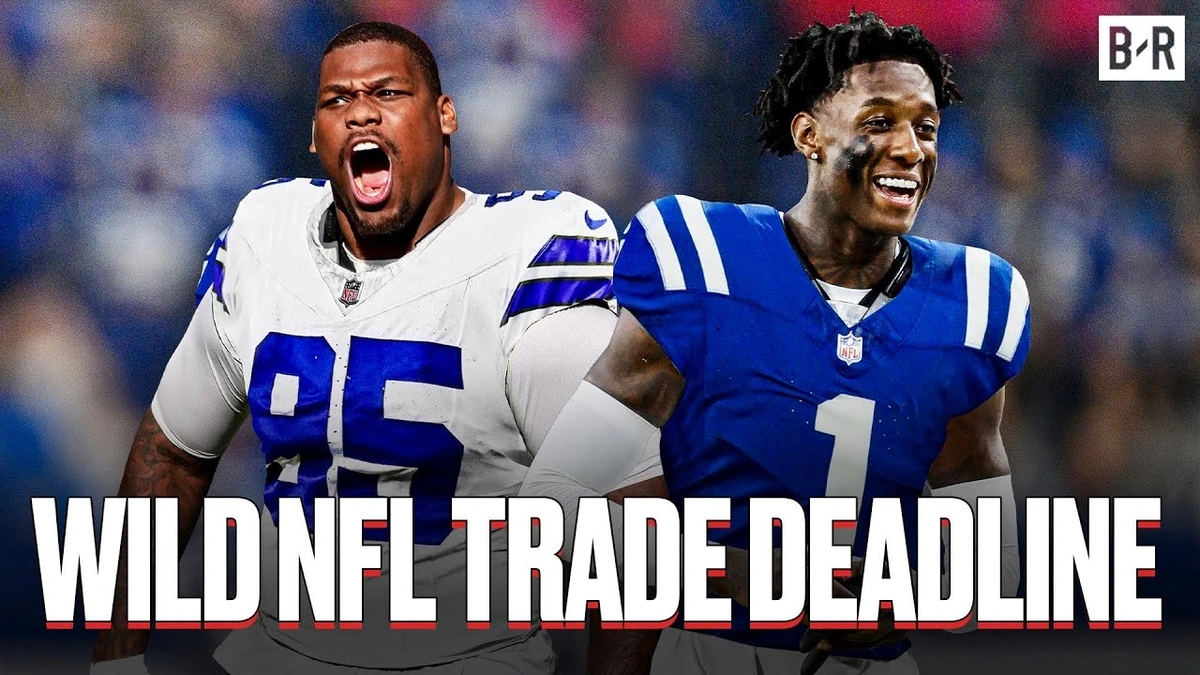
The NFL Trade Deadline . It sounds so…final. Like a dramatic buzzer-beater shot in a movie. But here’s the thing: it’s rarely that simple. It’s not just about the blockbuster trades you see splashed across headlines. It’s about why these deals happen, how they impact teams, and what they reveal about the overall landscape of the league. Let’s dive deep, shall we? Forget the surface-level news; we’re going analytical.
Why Teams Become Buyers or Sellers
So, why do some teams suddenly become ravenous buyers, willing to mortgage their future for a shot at glory? And why do others, seemingly overnight, decide to dismantle their roster and start selling off assets like they’re having a garage sale? It all comes down to a cold, hard assessment of their Super Bowl window.
A contender – a team with a legitimate shot at hoisting the Lombardi Trophy – might feel that one key addition could be the difference between a playoff berth and a Super Bowl run. They’re willing to pay a premium, parting with valuable draft picks (future talent) and even established players to acquire that missing piece. Think of it like adding the final ingredient to a recipe – it might be expensive, but it could make the whole dish sing.
On the other hand, a struggling team, facing a season of disappointment, might decide to cut its losses and start rebuilding for the future. They become sellers, trading away their veterans for draft picks and younger players who fit their long-term vision. This isn’t always a popular move with fans (especially after a losing streak!), but it’s often a necessary step in the process of building a sustainable contender. This is where the concepts of salary cap space and roster flexibility really come into play. A team trying to free up cap space to make moves next year might trade away a veteran player with a big contract, even if that player is still productive.
But – and this is a big but – it’s not always black and white. Sometimes, teams are forced into action by injuries or unexpected player departures. A team that loses its starting quarterback, for example, might feel compelled to trade for a veteran backup to keep their season afloat. These are the kind of trades that can be a little more volatile, because desperation can lead to bad decisions.
The Real Impact: More Than Just the Highlight Reel
Okay, a trade goes down. The ESPN ticker scrolls, Twitter explodes, and everyone’s dissecting the winners and losers. But what really happens after the dust settles? The impact extends far beyond the highlight reel. A blockbuster deal impacts team chemistry. A new player has to learn a new playbook, develop chemistry with his teammates, and adjust to a new culture – all in a very short period of time. That’s a lot to ask, and it doesn’t always go smoothly.
For example, imagine a receiver suddenly changing teams and quarterbacks. The timing, rhythm, and general feel between a quarterback and receiver is something that can take months, sometimes years, to fully develop. Players that change teams, especially receivers and quarterbacks, right before the NFL Trade Deadline have a huge adjustment to make.
What fascinates me is the ripple effect on other players. A trade can create opportunities for younger players to step up and prove themselves. Or it can lead to established veterans feeling threatened and disgruntled. Managing these dynamics is a crucial part of a coach’s job. Don’t forget about the emotional toll. Being traded can be a jarring experience for players, especially those who have deep roots in a community. They’re uprooting their lives, leaving behind friends and family, and starting over in a new place. That’s not easy.
Draft Capital: The Currency of the Future
Let’s talk about draft capital . You’ll hear this term thrown around a lot during the NFL Trade Deadline . What is draft capital? In short, it’s a team’s collection of future draft picks, which are essentially lottery tickets for potential stars. Teams value draft capital because it gives them the flexibility to build their roster through the draft, acquire proven players in trades, or even move up in the draft to select a specific prospect.
A team that’s stockpiling draft picks is essentially betting on its ability to identify and develop talent. They’re saying, “We trust our scouting department to find diamonds in the rough.” A team that’s willing to part with draft picks is saying, “We need to win now, and we’re willing to sacrifice the future to do it.” So, here’s a deeper dive into a specific team’s situation .
A common mistake I see people make is overvaluing a single draft pick. While landing a top-five pick can be a game-changer, it’s not a guarantee of success. There are plenty of examples of teams that have squandered high draft picks on busts. The key is to use draft capital wisely, making smart decisions and developing a strong pipeline of talent.
Navigating the Salary Cap Maze
Ah, the salary cap – the bane of every NFL general manager’s existence. The salary cap is a limit on the amount of money a team can spend on player salaries. It’s designed to create a level playing field and prevent wealthy teams from simply buying all the best players. But navigating the salary cap is a complex art, requiring creative accounting, strategic contract negotiations, and a willingness to make tough decisions.
Teams often use the NFL Trade Deadline to shed salary, freeing up cap space for future moves. They might trade away a player with a large contract, even if that player is still productive, simply to get under the cap. Or they might restructure a player’s contract, converting a portion of his salary into a signing bonus, which spreads the cap hit over multiple years. These moves can have a significant impact on a team’s long-term financial health.
The key is to strike a balance between competing in the present and planning for the future. A team that spends all its money on a few superstars might be successful in the short term, but they’ll eventually run into cap problems and be forced to make difficult choices. A team that’s too conservative with its spending might miss out on opportunities to improve its roster and compete for championships. It’s a delicate balancing act, and the best general managers are masters of it.
Looking Ahead: What to Expect in the Future
What can we expect from future NFL Trade Deadlines ? Here’s what I am expecting: Increased player movement. The league is becoming increasingly player-driven, with players having more power to influence their own destinations. As a result, we’re likely to see more players demanding trades and teams being more willing to accommodate those requests. Smarter decision-making. Teams are becoming more sophisticated in their use of analytics and data-driven decision-making. This will lead to more informed trades, with teams being less likely to make impulsive or emotional decisions.
Greater emphasis on value. Teams are realizing that draft picks are valuable assets, and they’re becoming more reluctant to part with them unless they’re getting significant value in return. So, to sum it up, the NFL Trade Deadline isn’t just about the deals; it’s a barometer of a team’s ambitions, a testament to its planning, and a glimpse into the league’s ever-evolving landscape. It’s a fascinating study in strategy, risk, and reward – and it’s always worth paying attention to. One last thing that should be mentioned is the different NFL trade scenarios that could occur.
FAQ: Your NFL Trade Deadline Questions Answered
What happens if a trade is agreed upon after the deadline?
Too late! Any trade agreed upon after the NFL Trade Deadline is invalid until the next trading period opens in the offseason.
What if I forgot who my team traded for?
Easy! Just check your favorite sports news website or app. They’ll have all the details on the latest trades.
Can players be traded after the season ends?
Yes, but the trading window closes during the season and reopens in the offseason.
How does the salary cap affect trades?
Teams must be under the salary cap after a trade, so they may need to make other moves to accommodate a new player’s contract.
The deadline isn’t just an end; it’s a beginning. It’s the start of a new chapter for teams, players, and the entire league. And that’s what makes it so compelling.



Leave feedback about this